The GTA buyers market 2026 has created a rare window of opportunity—but whispers of stabilization are getting louder. With “The national average home price is $695,412 (April 2026, CREA) — but the GTA average price is significantly higher, with TRREB forecasting $1M-$1.03M for 2026 (up 2.2% year-over-year according to CREA) and mortgage rates ranging from 3.30% to 4.09%, buyers who’ve been waiting on the sidelines face a critical decision. Some Reddit predictions suggest GTA benchmark prices could drop another 12-18% this year, while TRREB expects prices to remain stable. So who’s right? In this guide, you’ll learn exactly how long this buyer’s market might last, whether you should act now or wait, and how to position yourself for success in the Toronto housing market June 2026.
Is the GTA Buyers Market 2026 Really a Window of Opportunity?

Let’s cut through the noise. The GTA housing market has shifted dramatically from the frenzied bidding wars of 2021-2022. Higher inventory levels, reduced immigration (with over 660,000 temporary residents leaving Canada in 2024 alone), and elevated mortgage rates have combined to create genuine negotiating power for buyers—something we haven’t seen in years.
What the Data Actually Shows
According to TRREB’s 2026 Market Outlook, the GTA real estate market is expected to remain stable with balanced demand and supply. This is the sweet spot for buyers: not a crashing market that signals economic disaster, but a balanced one where you can take your time, negotiate firmly, and avoid overpaying.
The True North Mortgage forecast points to a key factor driving this balance—Canada’s dramatic shift in population growth. After welcoming roughly 1 million newcomers annually from 2021-2023, the federal government’s immigration curbs have fundamentally changed housing demand. Fewer people competing for homes means more choices for you.
GTA vs. National Prices (2026):
National average: $695,412 (+2.2%) GTA average (TRREB forecast):
$1,000,000 – $1,030,000
Condominium segment:
Most buyers’ negotiating power HERE — supply is highest
Detached homes: Less inventory, but still more balanced than 2021-2022 frenzy
This gap explains why many GTA buyers feel “priced out” even as national data looks more affordable.
Why First-Time Buyers Are Driving the Recovery
TRREB CEO John DiMichele has emphasized that first-time buyers may drive the market’s eventual recovery. This makes sense: these buyers have been locked out the longest and have the most pent-up demand. If you’re a first-time buyer reading this, understand that when your peers start buying en masse, the market dynamics will shift—and likely not in your favour.
💡 Pro Tip: The key TRREB stat most buyers miss: homebuying intentions FELL to 22% in 2026 — down 5 points despite improved
affordability. This means many qualified buyers are still sitting on the sidelines. If those intentions convert to action in H2 2026 (as TRREB expects), buyer competition returns. The window may be shorter than it appears.
When Will GTA House Prices Rebound—And Should You Wait?
This is the million-dollar question (quite literally, given GTA prices). The answer depends on several factors that are currently in flux.
The Case for Prices Rebounding Soon
Several indicators suggest the bottom may be near or already behind us:
National home prices are already climbing, up 2.2% year-over-year as of April 2026. While the GTA has lagged, it typically follows national trends. TRREB’s forecast of “stable” prices suggests the steep declines may be over. Additionally, mortgage rates have room to fall—the Bank of Canada’s overnight rate decisions over the coming months could push variable rates even lower than the current 3.7% floor.
The Case for Waiting
On the other hand, the Reddit consensus from Toronto real estate investors suggests the HPI benchmark could drop another 12-18% this year, with listings spiking in spring. If this plays out, waiting could save you tens of thousands of dollars on a typical GTA purchase.
There’s also the “sentiment factor” that NerdWallet Canada highlights: rising food and gas prices are squeezing monthly cash flow for many Canadians. Even if someone qualifies for a mortgage on paper, the reality of today’s cost of living may keep buyers cautious—and keep prices suppressed.
The Honest Answer
Nobody can time the market perfectly. But here’s what we know: if you buy now or wait Toronto real estate decisions should be based on your personal financial readiness, not market timing. If you can afford the payments comfortably, have stable employment, and plan to stay for 5+ years, the exact timing matters far less than you think.
Comparison: Buying Now vs. Waiting Until 2027 in the Toronto Housing Market
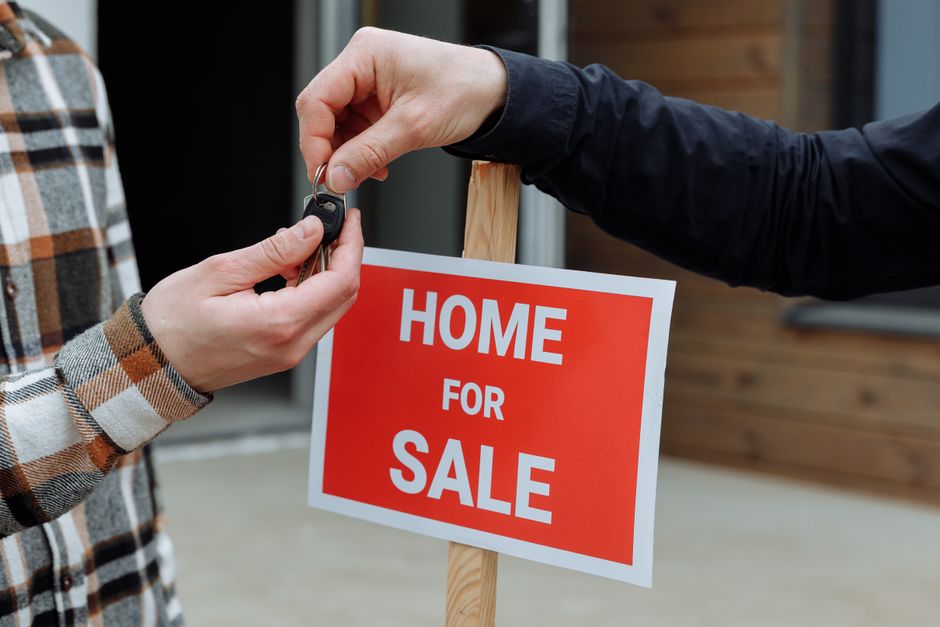
To help you make this decision, let’s compare the concrete advantages and risks of each approach. This comparison assumes a $700,000 GTA property purchase:
| Factor | Buying Now (June 2026) | Waiting Until 2027 |
|---|---|---|
| Current Mortgage Rates | 3.7%-6% available now | Uncertain—Bank of Canada may raise rates |
| Negotiating Power | Strong—balanced market favours buyers | May weaken if demand increases |
| Potential Price Change | Current prices; possible 2.2%+ annual increase | Could drop 12-18% OR could rise significantly |
| FHSA Contribution Room | Use up to $40,000 lifetime limit now | Same limit—but one more year of $8,000 contributions possible |
| Rent Paid While Waiting | $0 additional rent | $24,000-$36,000 (at $2,000-$3,000/month) |
| Opportunity Cost | Building equity immediately | Savings earn ~2.75% in HISA vs. potential property appreciation |
| Market Competition | Lower—many buyers still hesitant | Higher if prices stabilize and confidence returns |
As you can see, waiting has significant costs even if prices drop. A year of Toronto rent ($24,000-$36,000) effectively reduces any savings from a price decline. For a deeper dive into whether renting makes sense for your situation, check out our guide on renting vs. buying in Canada.
How to Buy Smart in the GTA Buyers Market 2026
If you’ve decided to take advantage of current conditions, here’s your step-by-step action plan for maximizing this opportunity.
Step 1: Get Your Financing Locked In
Before you even browse listings, get a mortgage pre-approval from a major lender like TD, RBC, BMO, Scotiabank, or CIBC—or work with a mortgage broker who can shop multiple lenders. With rates currently ranging from 3.30% to 4.09%, the difference between lenders can be substantial.
Here’s a critical tip: pre-approvals typically lock in your rate for 90-120 days. Given NerdWallet’s warning that the Bank of Canada may raise rates, securing a rate-hold now protects you from potential increases while you shop.
Don’t forget to maximize your First Home Savings Account (FHSA) contributions—you can contribute $8,000 this year toward your $40,000 lifetime limit, getting both a tax deduction now and tax-free withdrawals for your down payment.
💡 Pro Tip: Since November 2024, switching to another federally regulated lender at renewal (same amount, same amortization) no longer requires the stress test. This applies at RENEWAL — not first purchase. But it means the lender you choose today isn’t locked in forever. Get the best rate available NOW, knowing you can switch easily at renewal.
Step 2: Calculate Your True Affordability
Banks will approve you for more than you should actually spend. With WOWA.ca noting that an average Canadian buyer needs roughly $520,000 in mortgage financing (assuming a $150,000+ down payment on a $670,000 home), your monthly payments at 4.2% would be approximately $2,800 over 25 years.
But mortgage payments aren’t your only cost. Budget for:
- Property taxes (typically 0.6%-1% of home value annually in the GTA)
- Home insurance ($100-$200/month)
- Maintenance (budget 1% of home value annually)
- CMHC insurance if your down payment is under 20%
- Closing costs (typically 1.5%-4% of purchase price)
Step 3: Negotiate Like It’s a Buyer’s Market (Because It Is)
This is where many GTA buyers leave money on the table. In today’s balanced market, you have leverage your parents never had when they bought. Use it.
Consider including conditions in your offer (financing, inspection) that sellers had to waive during the 2021-2022 frenzy. Ask for closing cost credits or inclusions like appliances. Most importantly, don’t be afraid to offer below asking—but make sure your offer is still reasonable and backed by comparable sales data.
Should You Make a Lowball Offer in the Toronto Housing Market June 2026?
Lowball offers are tempting in a buyer’s market, but strategy matters more than simply bidding low.
When Aggressive Offers Work
Lowball offers (10-15% below asking) are most successful when:
- The property has been listed for 60+ days
- The seller has already reduced the price once
- You can close quickly with minimal conditions
- Comparable properties have sold well below asking
According to the Reddit real estate community’s predictions of continued price drops, sellers may be increasingly motivated as spring inventory floods the market. This creates opportunities for patient, strategic buyers.
When to Bid Closer to Asking
Not every property is a candidate for aggressive negotiation. Well-priced homes in desirable neighbourhoods still attract competition. If a property checks all your boxes and is fairly priced based on recent comparables, going too low might just lose you the home to another buyer who read the market correctly.
For more negotiation strategies specific to Canadian real estate, see our complete guide to negotiating your home purchase.
Common Mistakes to Avoid in This Market
Even in a buyer-friendly market, it’s easy to stumble. Here are the pitfalls that trip up GTA buyers in 2026.
Mistake #1: Waiting for the “Perfect” Bottom
Market timing is nearly impossible. If you wait for clear confirmation that prices have bottomed, you’ll likely miss it—by the time it’s obvious, competition will have returned and prices will be rising. Focus on finding a home you can afford and will be happy in for years, not on perfectly timing the market.
Mistake #2: Ignoring Variable Rate Risk
Variable rates around 3.7% look attractive compared to fixed rates near 6%. But NerdWallet’s warning about potential Bank of Canada rate hikes is worth heeding. If you choose variable, stress-test your budget at 2% higher than your current rate. Can you still afford the payments? If not, the security of a fixed rate might be worth the premium.
Mistake #3: Forgetting About Your Other Financial Goals
Buying a home shouldn’t derail your retirement savings. Remember, you can still contribute to your TFSA ($7,000 in 2026, with a lifetime limit around $109,000) and RRSP (18% of earned income up to $32,490) while being a homeowner. Don’t drain every account for your down payment—leave yourself an emergency fund and continued savings capacity.
Mistake #4: Skipping the Home Inspection
In the pandemic-era market, buyers waived inspections to win bidding wars. That was always risky, and now it’s completely unnecessary. A balanced market means you can and should make offers conditional on a satisfactory home inspection. The few hundred dollars for an inspection can save you tens of thousands in surprise repairs.
💡 Pro Tip: Ask for a 5-day financing + inspection condition in balanced market conditions. Not 3 days (too rushed), not 10 days (sellers won’t accept). Five days gives you enough time to get a full inspection done AND have your broker confirm final mortgage approval. In 2021 you couldn’t include any conditions. In 2026 you can. Use them.
Key Takeaways
- The GTA buyers market 2026 offers genuine negotiating power, but TRREB expects prices to stabilize—meaning the window may not last indefinitely
- National average home prices are already up 2.2% year-over-year to $695,412, suggesting the market floor may be near
- Mortgage rates currently range from 3.30% to 4.09%—lock in a pre-approval now before potential Bank of Canada rate increases
- Maximize your FHSA ($8,000/year, $40,000 lifetime) for tax-advantaged down payment savings before you buy
- Waiting until 2027 means paying $24,000-$36,000 in rent—factor this into any “savings” from potential price drops
- Use your buyer leverage: include conditions, negotiate firmly, and don’t be afraid to walk away from overpriced properties
Frequently Asked Questions
How long will the GTA buyer’s market last in 2026?
Most experts expect the balanced market conditions to persist through at least late 2026. TRREB’s forecast indicates stable prices with first-time buyers potentially driving a gradual recovery. However, if mortgage rates drop significantly or consumer confidence returns, competition could increase faster than expected. The safest assumption is that you have months, not years, of prime buying conditions remaining.
Will Toronto house prices rebound before 2027?
The data suggests prices are already stabilizing, with national averages up 2.2% year-over-year. While some analysts on Reddit predict another 12-18% drop in GTA benchmark prices, TRREB and CREA data point to a more stable trajectory. A significant rebound before 2027 is possible if interest rates fall or immigration policies shift, but a modest 2-5% increase is the more likely scenario based on current forecasts.
Should I make a lowball offer in the GTA right now?
Yes, but be strategic about it. Lowball offers work best on properties that have sat on the market for 60+ days or where sellers have already reduced prices. For well-priced homes in desirable areas, an offer 5-10% below asking is reasonable; going lower risks losing the property to a more realistic buyer. Always back up your offer with comparable sales data and be prepared to negotiate up from your initial bid.
The GTA buyers market 2026 represents a genuine opportunity for first-time and move-up buyers who’ve felt locked out of the Toronto housing market for years. With balanced inventory, negotiable sellers, and mortgage rates that—while elevated—are manageable for qualified buyers, the conditions favour those ready to act. The key is being financially prepared, strategically patient in your search, and decisive when the right property appears. Whether prices drop further or start climbing, buying a home you can afford and love is always a solid financial decision. Ready to learn more? Explore our complete first-time home buyer guide for Canada to make sure you’re fully prepared to take advantage of this market.
Get free Canadian money tips every week
TFSA updates, CRA changes, mortgage strategies — straight to your inbox every Thursday. No spam, unsubscribe anytime.
Certified Financial Planner (CFP) and Chartered Investment Manager (CIM) with over 17 years of experience in Canadian personal finance. Spent 10+ years at one of Canada's Big Five banks, the last 7 focused exclusively on high-net-worth clients. Every guide is written with the same depth I bring to real client work — Canada-specific, CRA-verified, and always free.
Disclaimer: This article is for informational and educational purposes only and does not constitute financial, tax, or legal advice. Always consult a qualified financial advisor or tax professional for personalized advice.