The 75/25 portfolio Canada 2026 strategy—holding 75% equities and 25% bonds—was supposed to be the golden ratio for aggressive yet balanced growth. But here’s a troubling reality: research now shows most investors using this approach are underperforming simple buy-and-hold diversified strategies due to poor timing and whipsaw losses. With the Bank of Canada’s policy rate sitting at 2.25% since late 2025 and oil briefly surging past US$100 per barrel in Q1 2026, the market conditions that made 75/25 popular have fundamentally shifted. In this guide, you’ll learn why this classic allocation is struggling, whether you should adjust your strategy, and exactly how to optimize your portfolio for today’s Canadian market.
Why Is the 75/25 Portfolio Canada 2026 Strategy Underperforming?
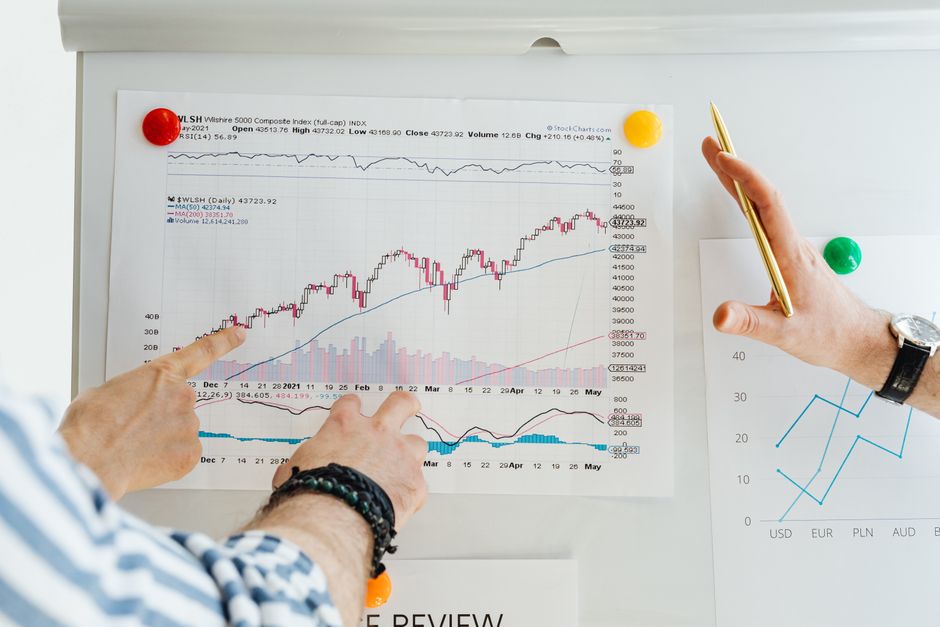
The 75/25 portfolio was designed for a different era. It assumed steady equity growth, predictable bond yields, and a relatively stable interest rate environment. None of those conditions exist in June 2026.
📊 Oil Price Timeline 2026:
Jan: $61/barrel (Strait of Hormuz open)
Mar 12: $100 (first breach)
Mar end: $118 (Q1 close)
Apr 7: $138 (peak — Hormuz closure)
Jun: ~$93-98 (decline as talks progress)
Translation for TSX investors:
Canadian energy stocks whipsawed dramatically in 2026. Anyone who chased the rally near $130+ is now sitting on significant losses. This is exactly why sector rotation is so dangerous.
The Sector Rotation Problem
Many Canadian DIY investors tried to enhance their 75/25 portfolios by rotating between sectors—shifting into energy when oil prices spiked, then moving to tech or financials. The problem? Research indicates that most individual investors and even professional fund managers struggle to consistently time these rotations. The result has been whipsaw losses that drag down overall returns.
When Brent crude surged from $61 in January to $118 by end of Q1, then hit $138 in April 2026 — as Middle East conflict disrupted Strait of Hormuz shipping and the S&P/TSX Composite weathered the March drawdown better than the S&P 500 (thanks to Canada’s heavy energy and materials exposure), many investors piled into resource stocks too late—right before prices corrected. This kind of reactive investing is the opposite of the disciplined approach that actually builds wealth.
💡 Pro Tip: The Brent oil price swung from $61 to $138 and back to $93 in just 5 months of 2026. That kind of volatility makes sector timing nearly impossible even for professionals. If you’re tempted to “add energy exposure” after reading headlines, remember: the headline comes AFTER the move has already happened. You’re buying at the top.
The Bond Allocation Dilemma
Your 25% bond allocation isn’t working the way it used to. With the Bank of Canada holding steady at 2.25%, bond yields remain compressed compared to historical norms. Meanwhile, if you haven’t rebalanced recently, your portfolio has likely drifted. A portfolio that started 2025 at 75/25 could easily be sitting at 80/20 or even 82/18 today if equities outperformed—meaning you’re taking on more risk than you intended.
This drift matters. You’re no longer holding the balanced, aggressive portfolio you planned. You’re holding an overweight equity position without the downside protection you thought you had.
Should You Abandon Your Asset Allocation ETF Canada Strategy?
Before you make any dramatic changes, let’s be clear: abandoning a diversified, low-cost strategy for something trendy is usually a mistake. The issue isn’t necessarily with the 75/25 concept—it’s with how investors are implementing it.
The Case for Staying the Course
Disciplined, diversified, and low-cost investment approaches still outperform over the long term. Build Communities Strong Fund — a $51 billion 10-year infrastructure program is creating structural tailwinds for construction materials, engineering services, and logistics—sectors that are well-represented in broad Canadian equity ETFs.
If you’re using a product like Vanguard’s VGRO (80/20) or iShares XGRO, you’re getting automatic rebalancing, broad diversification, and rock-bottom fees. That’s still a winning formula. The problem arises when investors start tinkering, adding tactical tilts, or abandoning their strategy after a rough quarter.
When Adjustments Make Sense
That said, there are legitimate reasons to reconsider your allocation in 2026:
- Your time horizon has changed. If you’re now 5-7 years from retirement instead of 15-20, a 75/25 split may genuinely be too aggressive.
- Your risk tolerance has shifted. The Q1 2026 volatility—with oil shocks threatening to revive inflation fears—may have revealed that you can’t stomach the swings.
- You’re approaching a major goal. Planning to use your FHSA ($8,000/year contribution limit, $40,000 lifetime) for a home purchase in the next 3 years? You need less equity exposure in that account.
For more on matching your allocation to your timeline, check out our guide on choosing the right investment horizon.
Comparison: TD e-Series Portfolio 2026 vs Asset Allocation ETFs

Many Canadian investors are debating whether to stick with their TD e-Series funds or switch to all-in-one asset allocation ETFs like VGRO or XGRO. Both can implement a 75/25 or similar strategy, but they work differently. Here’s how they compare:
| Feature | TD e-Series Portfolio | Asset Allocation ETFs (VGRO/XGRO) |
|---|---|---|
| Management Expense Ratio (MER) | 0.33% – 0.51% per fund | 0.20% – 0.25% total |
| Automatic Rebalancing | No (you must rebalance manually) | Yes (built into the fund) |
| Minimum Investment | $100 per fund | Price of one share (~$25-30) |
| Trading Platform | TD Direct Investing only | Any Canadian brokerage (Wealthsimple, Questrade, etc.) |
| Contribution Flexibility | Excellent for small, regular contributions | Best for lump sums or commission-free platforms |
| Customization | Full control over allocation percentages | Fixed allocation (80/20 for VGRO, etc.) |
| Tax Efficiency | Slightly lower (more distributions) | Slightly higher (swap-based structures) |
The verdict? If you value simplicity and lower fees, asset allocation ETFs win. If you want precise control over your 75/25 split and make regular small contributions, TD e-Series remains a solid choice—especially if you’re already with TD Direct Investing.
How to Fix Your Aggressive Portfolio Returns in 2026
If your e-Series portfolio 2026 performance has been disappointing, here’s a step-by-step approach to get back on track without making emotional decisions.
Step 1: Check Your Actual Allocation
Log into your brokerage account and calculate your current split. If you targeted 75% equities and 25% bonds but haven’t rebalanced in 12+ months, you’re probably off. A portfolio that drifted to 80% equities or higher is taking on significantly more volatility than you planned for.
Write down your actual percentages across all accounts—TFSA (up to $109,000 cumulative contribution room by 2026), RRSP (2025 limit: $33,810 or 18% of earned income), and any non-registered accounts.
Step 2: Rebalance to Your Target
Rebalancing forces you to sell high and buy low—the core principle of successful investing. If equities have grown to 80% of your portfolio, you’ll sell some equity holdings and buy bonds to return to 75/25. This locks in gains and reduces your risk exposure.
For tax efficiency, do this inside your TFSA or RRSP first. Rebalancing in non-registered accounts can trigger capital gains taxes.
💡 Pro Tip: Rebalance inside your TFSA or RRSP first — no capital gains triggered. If you need to rebalance in a non-registered account, consider using new contributions to “buy toward” underweight
positions rather than selling overweight ones. Same result, zero tax event.
Step 3: Limit Tactical Tilts to 10-20%
Want to take advantage of Canada’s infrastructure boom or the energy sector tailwinds? Keep any sector bets to 10-20% of your portfolio at most—not wholesale reallocations. This lets you capture potential upside without destroying your diversification.
For example, if you have a $100,000 portfolio, you might hold $10,000-$15,000 in a Canadian infrastructure or materials ETF while keeping the rest in your core 75/25 allocation.
Step 4: Automate Your Contributions
The investors who succeed long-term are the ones who automate. Set up pre-authorized contributions to your TFSA or RRSP every payday. If you’re using TD e-Series, you can buy directly into each fund. If you’re using asset allocation ETFs on Wealthsimple, their roundup and recurring investment features make this effortless.
For contribution strategies that maximize your tax savings, read our TFSA vs RRSP comparison for 2026.
Common Mistakes Canadian DIY Investors Make with 75/25 Portfolios
Understanding what’s going wrong is half the battle. Here are the most common errors I see among Canadian investors struggling with their aggressive portfolio returns.
Mistake #1: Checking Your Portfolio Too Often
When oil prices spiked above US$100 and markets whipsawed in Q1 2026, many investors panicked. Those who checked their portfolios daily were far more likely to make emotional trades than those who checked quarterly. If you’re a long-term investor with a 10+ year horizon, logging in weekly is doing more harm than good.
💡 Pro Tip: Delete your investment app from your phone. Seriously. Put Wealthsimple or Questrade back on your home computer only. The friction of sitting down at a computer to trade eliminates 90% of emotional decisions. Mobile access = impulse trades. Your portfolio will thank you.
Mistake #2: Ignoring Your Bond Allocation
With bond yields still relatively low thanks to the 2.25% Bank of Canada rate, it’s tempting to abandon fixed income entirely. But bonds aren’t just about returns—they’re about reducing volatility and providing dry powder to buy equities when they drop. A 75/25 portfolio with no bonds is just a 100% equity portfolio with extra steps.
Mistake #3: Confusing Short-Term Results with Strategy Failure
A rough six months doesn’t mean your strategy is broken. The 75/25 allocation is designed to perform over decades, not quarters. If you’re questioning your entire approach based on 2026 YTD returns, you’re thinking too short-term.
Mistake #4: Paying Too Much in Fees
Some investors hold older TD mutual funds or bank-sold products with MERs of 2% or higher, thinking they have a 75/25 portfolio. They do—but they’re paying ten times more than necessary. Switching to e-Series funds (0.33-0.51% MER) or asset allocation ETFs (0.20-0.25% MER) puts thousands of extra dollars in your pocket over time.
Key Takeaways
- The 75/25 portfolio isn’t failing—poor implementation and mis-timed sector rotations are the real culprits dragging down returns.
- Rebalance your portfolio at least annually; if equities have drifted to 80%+ of your holdings, you’re taking more risk than planned.
- Keep tactical sector bets to 10-20% maximum—the $115.2 billion Canadian infrastructure plan creates opportunities, but wholesale reallocations backfire.
- Asset allocation ETFs (VGRO, XGRO) offer lower fees (0.20-0.25% MER) and automatic rebalancing compared to TD e-Series portfolios.
- Maximize your registered accounts first: TFSA contribution room reaches ~$109,000 cumulative by 2026, and RRSP limits hit $33,810 for 2025 income.
- With the Bank of Canada rate at 2.25%, bonds won’t deliver exciting returns—but they still reduce portfolio volatility when you need it most.
Frequently Asked Questions
Is a 75/25 portfolio too aggressive for 2026 market conditions?
Not necessarily—it depends on your time horizon and risk tolerance, not current market conditions. If you’re investing for 10+ years and can handle 20-30% drawdowns without panic-selling, 75/25 remains appropriate. However, if the Q1 2026 oil shock and market volatility made you lose sleep, consider shifting to a 60/40 or 70/30 allocation that better matches your true risk tolerance.
Should I switch from TD e-Series to asset allocation ETFs?
Switching makes sense if you want lower fees, automatic rebalancing, and don’t mind using a platform like Wealthsimple or Questrade. Asset allocation ETFs charge roughly half the MER of e-Series funds (0.20-0.25% vs 0.33-0.51%). However, if you prefer TD Direct Investing and like manually controlling your exact allocation percentages, e-Series remains a perfectly good choice—the fee difference won’t make or break your retirement.
What return should a 75/25 portfolio actually deliver?
Historically, a globally diversified 75/25 portfolio has delivered 6-8% annualized returns over 20+ year periods, after accounting for inflation and fees. In any single year, returns can range from -25% to +30%. Expecting consistent double-digit returns annually is unrealistic—the strategy works through compounding over decades, not outperforming every quarter.
The 75/25 portfolio Canada 2026 strategy isn’t dead—it’s just being implemented poorly by investors chasing sector rotations and ignoring basic rebalancing. The solution isn’t abandoning your approach; it’s recommitting to disciplined, diversified, low-cost investing with realistic expectations. Whether you stick with TD e-Series or switch to asset allocation ETFs, the fundamentals that build wealth haven’t changed. Ready to optimize your full financial picture? Explore more investment strategies and Canadian-specific guides on Getwealthy to make 2026 your best investing year yet.
Get free Canadian money tips every week
TFSA updates, CRA changes, mortgage strategies — straight to your inbox every Thursday. No spam, unsubscribe anytime.
Certified Financial Planner (CFP) and Chartered Investment Manager (CIM) with over 17 years of experience in Canadian personal finance. Spent 10+ years at one of Canada's Big Five banks, the last 7 focused exclusively on high-net-worth clients. Every guide is written with the same depth I bring to real client work — Canada-specific, CRA-verified, and always free.
Disclaimer: This article is for informational and educational purposes only and does not constitute financial, tax, or legal advice. Always consult a qualified financial advisor or tax professional for personalized advice.