If you’re weighing Big 5 banks vs digital banks Canada, you’re asking a question that could save you hundreds of dollars every year. Here’s a stat that might surprise you: Canadians pay an average of $180 annually in bank fees at traditional institutions, while most digital banks charge exactly $0. With the Bank of Canada’s policy rate influencing savings account yields—and current government cash management bill rates hovering around 2.3% in June 2026—choosing the right banking setup matters more than ever. In this guide, you’ll learn exactly how Canada’s Big 5 banks stack up against digital alternatives, which option suits your financial goals, and how to maximize your savings in 2026.
What Are the Big 5 Banks in Canada and Why Do They Dominate?
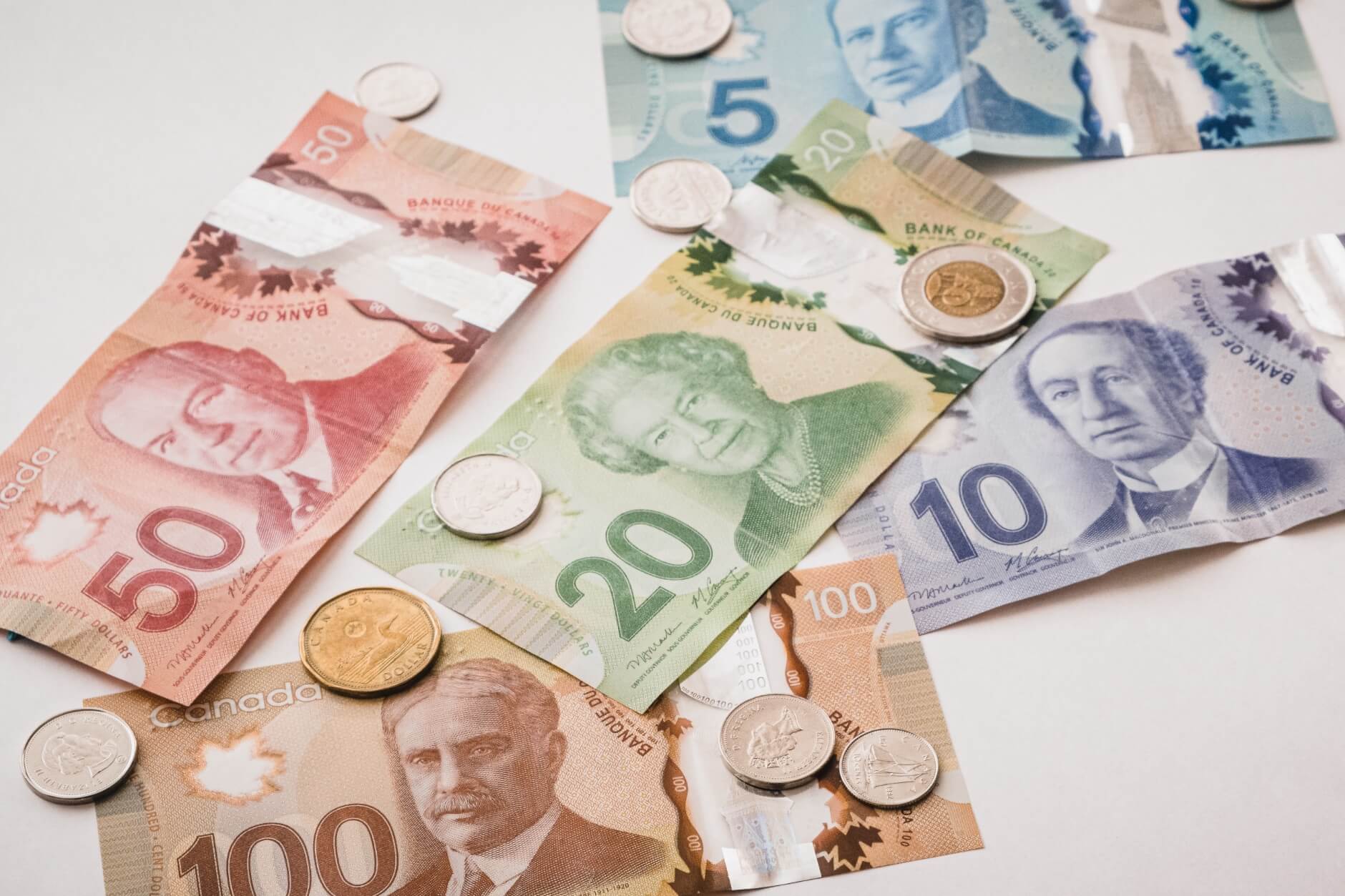
Canada’s Big 5 banks—RBC, TD, Scotiabank, BMO, and CIBC—control approximately 90% of the country’s banking assets. These institutions have shaped Canadian finance for over a century, and their Q2 2026 earnings continue to beat analyst expectations. But dominance doesn’t always mean they’re the best choice for your wallet.
The Traditional Banking Model
Big 5 banks offer what’s called “full-service banking.” This means you get access to thousands of branches, in-person financial advisors, comprehensive mortgage services, and integrated investment platforms. If you need to deposit a certified cheque, get a bank draft for a home purchase, or speak face-to-face with someone about your mortgage renewal strategy, traditional banks deliver convenience that digital alternatives can’t fully match.
However, this infrastructure comes at a cost—one that gets passed directly to you. Monthly fees at Big 5 banks typically range from $4.95 to $30.95, depending on the account tier. Want unlimited transactions? That’s the premium plan. Need to skip the fee? You’ll usually need to maintain a minimum balance of $3,000 to $6,000, which means your money sits idle rather than earning competitive interest.
Where Traditional Banks Still Excel
Despite the fee structure, Big 5 banks offer genuine advantages in specific situations. They’re typically better for complex financial needs like business banking, cross-border transactions, and large mortgage applications. Their newcomer programs—which waive monthly fees and help new Canadians build credit—remain among the best in the industry. And if you value relationship banking, having all your accounts, investments, and loans under one roof can simplify your financial life considerably.
How Do Digital Banks Compare to Big 5 Banks in Canada for Everyday Banking?
Digital banks—also called neobanks or online banks—have transformed Canadian banking since their emergence. In 2026, options like EQ Bank, Simplii Financial, Tangerine, Wealthsimple Cash, and Neo Financial offer competitive alternatives that younger Canadians increasingly prefer for their convenience and low costs.
The Digital Banking Revolution
The best online bank Canada 2026 options share several characteristics: zero monthly fees, competitive interest rates on savings, and powerful mobile apps that let you manage everything from e-Transfers to bill payments. Without the overhead of maintaining physical branches, these banks pass savings directly to customers through higher interest rates and eliminated fees.
Simplii Financial (owned by CIBC) and Tangerine (owned by Scotiabank) pioneered this model in Canada. Both offer no-fee chequing accounts with unlimited transactions—something that would cost you $15-30 monthly at their parent banks. EQ Bank has carved out a niche with consistently high savings rates, while Wealthsimple Cash appeals to investors who want seamless integration with their trading accounts.
The Trade-offs You Should Know
Digital banks aren’t perfect for everyone. Most lack physical branches entirely, which can be frustrating when you need services like notarized documents, safety deposit boxes, or cash deposits. While many partner with ATM networks (like THE EXCHANGE for Tangerine), you may face limitations compared to the extensive Big 5 ATM footprints.
Additionally, some digital banks offer limited product ranges. You might get an excellent savings account but no mortgage products, or a great chequing account but no investment options. This fragmentation means you may need accounts at multiple institutions—which isn’t necessarily bad, but requires more active management of your finances.
💡 Bonus Feature: The EQ Bank Card charges 0% FX fees on foreign purchases — vs. 2.5-3.5% on standard bank debit cards. On $5,000 in travel spending, that saves $125-$175 instantly.
Big 5 Banks vs Digital Banks Canada: Complete Comparison

Let’s break down the EQ Bank vs TD savings account debate—and expand it to include other major players. This comparison reflects June 2026 offerings and can help you make an informed decision based on what actually matters to your financial situation.
| Feature | Big 5 Banks (TD, RBC, etc.) | Digital Banks (EQ, Tangerine, etc.) |
|---|---|---|
| Monthly Fees | $4.95–$30.95 (waivable with min. balance) | $0 for most accounts |
| Savings Account Interest | 0.01%–0.50% (standard accounts) | Regular savings: 2.35%-2.75% (EQ Bank) |
| Branch Access | 1,000+ locations across Canada | None or very limited |
| ATM Network | Extensive proprietary + EXCHANGE network | Partner networks (varies by bank) |
| E-Transfer Limits | $3,000–$10,000 daily | $3,000–$10,000 daily |
| Mobile App Rating | 4.2–4.6 stars average | 4.5–4.8 stars average |
| CDIC Insurance | Yes, up to $100,000 per category | Yes, up to $100,000 per category |
| Mortgage Products | Full range available | Limited or none (varies) |
| Joint Accounts | Available in-branch or online | Available (some restrictions) |
| Credit Cards | Extensive options with loyalty programs | Growing selection, often cashback-focused |
Real Money on $50,000 in Savings:
Big 5 bank (0.01-0.50%): $5 – $250/year
EQ Bank (2.75%): $1,375/year
Difference: $1,125-$1,370/year
Over 10 years (compounded): EQ Bank earns ~$16,200 more!
That’s the cost of doing nothing different.
The numbers make a compelling case for digital banking if you’re primarily focused on everyday savings and chequing needs. However, the best approach for many Canadians involves using both: a Big 5 bank for complex services and credit products, and a digital bank for maximizing savings interest and avoiding fees on daily transactions.
How to Build Your Optimal Canadian Banking Setup in 2026
Rather than choosing one or the other, savvy Canadians are increasingly adopting a hybrid approach. Here’s how to structure your accounts for maximum benefit while minimizing fees and complexity.
Step 1: Establish Your Primary Chequing Account
Your primary chequing account should handle payroll deposits, bill payments, and daily spending. For most people, a no-fee digital chequing account from Simplii Financial or Tangerine makes the most sense. These accounts offer unlimited transactions, free e-Transfers, and debit cards that work everywhere.
If you need branch access regularly—perhaps for business deposits or you prefer in-person service—consider a Big 5 account but choose the minimum tier that meets your needs. Better yet, some Big 5 banks waive fees entirely if you set up direct deposit or maintain a modest balance.
💡 The Optimal Hybrid Setup for Most Canadians:
TD or RBC (maintain basic account):
→ Mortgage, credit card, direct deposit from employer
→ Branch access when needed
EQ Bank (everyday banking):
→ Personal Account at 2.75%
→ TFSA savings + GICs
→ Emergency fund
Wealthsimple:
→ RRSP, TFSA investing
→ Commission-free ETFs
Three accounts, maximum results.
Step 2: Maximize Your Savings with a High-Interest Account
Your emergency fund and short-term savings deserve the best possible interest rate. In June 2026, digital banks consistently offer rates 10-20 times higher than Big 5 savings accounts. EQ Bank, for instance, provides competitive everyday rates without requiring promotional hacks or balance minimums.
This is where the Canadian neobank comparison becomes crucial. Park your emergency fund (typically 3-6 months of expenses) in the highest-rate account you can find, then reassess every 6-12 months as rates shift. With the Bank of Canada’s inflation target set at 2% for 2027, rate environments can change quickly.
Step 3: Optimize Your Registered Accounts
Don’t overlook where you hold your TFSA, RRSP, and FHSA. While Big 5 banks offer these registered accounts, their investment options often carry higher fees than digital alternatives. With the 2026 TFSA contribution limit at $7,000 (and cumulative room potentially reaching $109,000 if you’ve been eligible since 2009), where you invest matters enormously over time.
Consider platforms like Wealthsimple or Questrade for your registered investment accounts, while keeping high-interest savings portions at digital banks like EQ Bank that offer registered savings accounts with competitive rates. Your FHSA, with its $8,000 annual and $40,000 lifetime contribution limits, deserves the same thoughtful placement.
💡 Pro Tip: The EQ Bank TFSA pays 1.50% (tax-free) vs their Personal Account at 2.75% (taxable). For short-term TFSA cash savings, 1.50% tax-free = ~2.14% taxable equivalent at 30% bracket. For long-term TFSA investing, move your TFSA to Wealthsimple and buy XEQT — keep EQ Bank for non-registered emergency funds.
Common Banking Mistakes Canadians Should Avoid in 2026
Choosing between Big 5 and digital banks is just one piece of the puzzle. Here are the most expensive mistakes Canadians make with their banking setup—and how to avoid them.
Paying Fees You Could Easily Avoid
The simplest wealth-building hack is keeping more of your own money. If you’re paying $15/month in bank fees, that’s $180/year—or $1,800 over a decade before considering what that money could have earned invested. Audit your accounts annually. If you’re paying fees and not using premium features, downgrade or switch.
💡 Pro Tip: Before switching banks, call your Big 5 bank and ask:
“What do I need to do to get my monthly fee waived?” Many accounts waive fees with direct deposit OR a minimum balance. TD Everyday Banking waives fees with just $100 minimum. A 5-minute call could save you $120-$180/year without changing a thing.
Letting Cash Sit in Low-Interest Accounts
Many Canadians keep excess cash in Big 5 chequing accounts earning 0.01% interest. Even your emergency fund, which should remain liquid, can earn 20-40 times more in a high-interest savings account. The difference on a $15,000 emergency fund could be $400+ annually—real money that compounds over time.
Ignoring the Credit Card Ecosystem
Your banking relationship affects credit card approvals and perks. Big 5 banks often provide better credit card offers to existing customers, including premium travel cards with airport lounge access. If you’re optimizing your overall financial picture, consider maintaining a basic Big 5 relationship specifically for credit product access, even if your daily banking lives elsewhere.
Not Reviewing Your Setup Annually
Banking products change constantly. The best savings rate in January might be mediocre by June. RBC, for example, is introducing new savings account fees in August 2026—something that could affect your strategy if you bank there. Set a calendar reminder to review all your accounts once per year and don’t hesitate to move your money when better options emerge.
💡 Pro Tip: Add “Banking Audit” to your annual financial calendar every January. Check:
1. What fees did I pay last year?
2. Is my savings rate still competitive?
3. Did any promos expire?
4. Are registered accounts in the right place?
30 minutes annually can save $500-$1,500 in fees and lost interest. Calendar it now.
Key Takeaways
- Digital banks typically save Canadians $180+ annually in fees compared to Big 5 bank accounts
- High-interest savings accounts at digital banks offer rates 10-20x higher than traditional Big 5 savings accounts in June 2026
- All major digital banks in Canada carry CDIC insurance up to $100,000 per deposit category—your money is just as protected as at Big 5 banks
- A hybrid approach—digital bank for savings and daily banking, Big 5 for complex products—often provides the best of both worlds
- Review your banking setup annually to catch fee increases and rate changes; registered accounts (TFSA limit $7,000 in 2026) deserve special attention for optimal placement
- Credit unions offer a third path worth considering, with community focus and member ownership providing unique benefits
Frequently Asked Questions
What are the Big 5 banks in Canada and how do they compare to online banks?
The Big 5 banks in Canada are RBC, TD, Scotiabank, BMO, and CIBC—together they control roughly 90% of Canadian banking assets. Compared to online banks, the Big 5 offer extensive branch networks (1,000+ locations each), comprehensive product ranges including mortgages and business banking, and in-person advisory services. However, they typically charge monthly fees ($4.95-$30.95) and offer significantly lower interest rates on savings accounts. Online banks like EQ Bank, Simplii, and Tangerine charge no monthly fees and provide higher savings rates, but lack physical branches and may have more limited product offerings.
Is my money safe with digital banks like EQ Bank or Wealthsimple Cash?
Yes, your money is protected at digital banks through the Canada Deposit Insurance Corporation (CDIC), the same federal agency that insures Big 5 bank deposits. CDIC coverage protects up to $100,000 per deposit category (such as savings accounts, TFSAs, and RRSPs) at each member institution. Both EQ Bank and the banking partner behind Wealthsimple Cash are CDIC members. This means your deposits receive identical protection whether they’re at TD Bank or a fully digital alternative.
Can I use a digital bank as my primary bank in Canada?
Absolutely—millions of Canadians now use digital banks as their only banking provider. Digital banks offer all essential daily banking features: chequing accounts, savings accounts, bill payments, e-Transfers, debit cards, and mobile cheque deposits. The main limitations involve cash deposits (you’ll need partner ATMs or retail locations) and services requiring physical presence like notarization or bank drafts. If you rarely need these services, a digital bank can fully replace traditional banking. Many people find a hybrid approach works best: digital bank for daily banking and savings, with a basic Big 5 account maintained for occasional in-branch needs.
When comparing Big 5 banks vs digital banks Canada, the best choice ultimately depends on your personal banking habits and financial goals. If you value branch access and integrated services, traditional banks still deliver. If you prioritize lower fees and higher savings rates—and you’re comfortable with app-based banking—digital alternatives offer compelling advantages in 2026. For most Canadian millennials and Gen Z savers, a strategic combination of both delivers optimal results: maximized interest, minimized fees, and full flexibility. Ready to optimize your complete financial picture? Explore more guides on Getwealthy to make every dollar work harder.
Get free Canadian money tips every week
TFSA updates, CRA changes, mortgage strategies — straight to your inbox every Thursday. No spam, unsubscribe anytime.
Certified Financial Planner (CFP) and Chartered Investment Manager (CIM) with over 17 years of experience in Canadian personal finance. Spent 10+ years at one of Canada's Big Five banks, the last 7 focused exclusively on high-net-worth clients. Every guide is written with the same depth I bring to real client work — Canada-specific, CRA-verified, and always free.
Disclaimer: This article is for informational and educational purposes only and does not constitute financial, tax, or legal advice. Always consult a qualified financial advisor or tax professional for personalized advice.