If your car theft insurance premium Canada costs have skyrocketed lately, you’re not imagining things – and you’re definitely not alone. In 2023, insurance claims for stolen vehicles in Canada hit a confirmed $1.5 billion, according to the Insurance Bureau of Canada – a nearly 20% jump from 2022, and the second consecutive year claims topped $1 billion. That record-breaking number is why your renewal notice likely came with a nasty surprise. In this post, you’ll learn exactly why your premiums jumped, which vehicles cost the most to insure due to theft risk, and – most importantly – the practical steps you can take right now to lower your costs in 2026.
?? Table of Contents
- Why Did Car Theft Insurance Premium Canada Costs Spike in 2026?
- Which High Theft Vehicle Insurance Models Cost the Most to Insure?
- Anti-Theft Devices Comparison: What Actually Lowers Your Premium?
- How Can You Actually Lower Car Insurance Theft Risk and Save Money?
- Common Mistakes That Keep Your Insurance Rates Theft Canada 2026 High
- Key Takeaways
- Frequently Asked Questions
Why Did Car Theft Insurance Premium Canada Costs Spike in 2026?
Let’s be clear: your insurer isn’t raising rates just because they feel like it. The auto theft crisis in Canada has become so severe that insurance companies are scrambling to cover their losses. When thieves steal $1.5 billion worth of vehicles in a single year – with claims costs up 254% nationally between 2018 and 2023 – that cost gets passed directly to policyholders like you.
The Organized Crime Connection
Auto theft in Canada isn’t primarily joyriding teenagers anymore. Sophisticated organized crime rings are targeting specific vehicles, often shipping them overseas within 48 hours of theft. Ontario has been hit hardest, with auto theft claims costs soaring 524% between 2018 and 2023, surpassing $1 billion for the first time. The Greater Toronto Area, Montreal, and parts of Alberta have become hotspots. If you live in these urban centres, your postal code alone can add hundreds of dollars to your annual premium.
The 2026 Indexation Factor
FSRA (Financial Services Regulatory Authority of Ontario) confirmed the 2026 automobile insurance indexation percentage is 2.4% (up from 1.6% in 2025). This specifically applies to statutory accident benefit amounts (like income replacement, caregiver, and rehabilitation benefits) and pain-and-suffering award thresholds – not directly to your premium calculation, but these rising benefit costs do feed into insurers’ overall claims costs over time, which can indirectly influence future premium trends.
Government Response: Too Little, Too Late?
In early 2026, the federal government announced modest funding for Canadian projects developing innovative vehicle anti-theft technologies. While this investment signals recognition of the problem, industry experts say it’s a drop in the bucket compared to the scale of losses. Don’t expect government intervention to lower your premiums anytime soon – you’ll need to take matters into your own hands.
Which High Theft Vehicle Insurance Models Cost the Most to Insure?
Not all vehicles are created equal when it comes to insurance rates theft Canada 2026. Insurance companies maintain databases tracking exactly which makes and models get stolen most frequently. If you own one of these vehicles, you’re paying a premium – literally.
The Usual Suspects: 2026’s Most-Stolen Vehicles
Based on insurance industry data, these vehicles consistently top theft lists and cost more to insure:
- Lexus RX Series – Luxury SUVs with high resale value overseas
- Honda CR-V – Popular, easy to steal, parts in high demand
- Ford F-150 – Canada’s best-selling pickup, constantly targeted
- Toyota Highlander – Another SUV favourite for export
- Dodge RAM 1500 – Pickup trucks remain prime targets
- Range Rover – Luxury plus poor factory security equals easy money
How Much More Are You Really Paying?
Owners of high-theft vehicles can pay anywhere from $300 to $1,200 more annually in comprehensive coverage compared to lower-risk models. If you’re shopping for a new car, checking theft statistics before buying could save you thousands over the vehicle’s lifetime. Your insurance broker can provide quotes for different models before you commit to a purchase.
The Age Factor
Interestingly, older vehicles (2018-2022 models) are often more targeted than brand-new ones because they lack updated anti-theft technology. If you’re driving a 2020 Honda CR-V, you might actually pay more for theft coverage than someone with a 2025 model equipped with better factory security.
Anti-Theft Devices Comparison: What Actually Lowers Your Premium?
Here’s where you can take real action to lower car insurance theft risk. Not all anti-theft devices are equal in the eyes of insurers. Some provide meaningful discounts; others do almost nothing for your premium. Here’s how the most common options compare:
| Anti-Theft Device | Typical Insurance Discount | Approximate Cost | Effectiveness Rating |
|---|---|---|---|
| Steering Wheel Lock (Club-style) | 2-5% | $30-$80 | Low to Medium |
| OBD Port Lock | 5-10% | $50-$150 | Medium to High |
| GPS Tracking System | 5-15% | $100-$400 + monthly fee | High (recovery, not prevention) |
| Factory Immobilizer (standard) | Built into base rate | Included | Medium |
| Aftermarket Kill Switch | 5-10% | $100-$300 installed | High |
| Faraday Pouch (key fob) | 0-3% | $15-$40 | Medium for relay theft |
The best approach? Combine multiple devices. A GPS tracker plus an OBD port lock plus a Faraday pouch for your key fob creates layers of protection that both deter thieves and maximize your potential discount. Some insurers offer combined discounts up to 20% for multiple approved devices.
How Can You Actually Lower Car Insurance Theft Risk and Save Money?
Beyond installing gadgets, there are several proven strategies to reduce what you pay. Here’s your step-by-step action plan for 2026.
Step 1: Request a Full Policy Review
Call your insurance broker or company and ask specifically about theft-related discounts you might be missing. Many Canadians don’t realize they qualify for savings they’re not receiving. Ask about:
- Anti-theft device discounts (bring documentation)
- Garage parking discounts
- Low-mileage discounts if you work from home
- Bundling home and auto policies
While you’re reviewing your insurance options, it’s also worth examining your overall financial picture. If you’re a first-time homebuyer, understanding the FHSA withdrawal rules for 2026 could help you maximize tax advantages while saving for a property with secure garage parking.
Step 2: Shop Around Aggressively
Insurance companies weigh theft risk differently. A vehicle that’s high-risk with one insurer might be moderately priced with another. Get quotes from at least four or five companies, including:
- Big banks: TD Insurance, RBC Insurance, BMO Insurance
- Traditional insurers: Intact, Aviva, Desjardins
- Online brokers: Ratehub, LowestRates.ca
- Direct insurers: Belairdirect, Sonnet
Price differences of 30-40% for identical coverage aren’t unusual. Spending an afternoon getting quotes could save you $500 or more annually.
Step 3: Increase Your Deductible Strategically
Raising your comprehensive deductible from $500 to $1,000 can reduce your premium significantly. Just make sure you have that $1,000 available in an emergency fund. This strategy works especially well if you’ve already installed anti-theft devices – you’re betting on prevention while reducing your insurance cost.
Step 4: Consider Where You Live and Park
Your address affects your premium dramatically. If you’re renting and have flexibility, moving even a few blocks can sometimes shift you into a lower-risk postal code. More practically, if you have access to secure indoor parking, use it – and tell your insurer.
For those considering buying a home with a garage, the security benefit for your vehicle is a real financial factor. If you’re working toward homeownership, check out whether you really need a real estate agent in 2026 to help find properties with secure parking.
Common Mistakes That Keep Your Insurance Rates Theft Canada 2026 High
Even well-intentioned drivers make errors that cost them money. Here’s what to avoid.
Mistake #1: Not Reporting Your Anti-Theft Devices
Did you install a GPS tracker last year? If you didn’t call your insurer to report it, you’re not getting the discount. Keep receipts and installation documentation, then proactively contact your insurance company. Discounts don’t apply automatically.
Mistake #2: Ignoring Your Key Fob Security
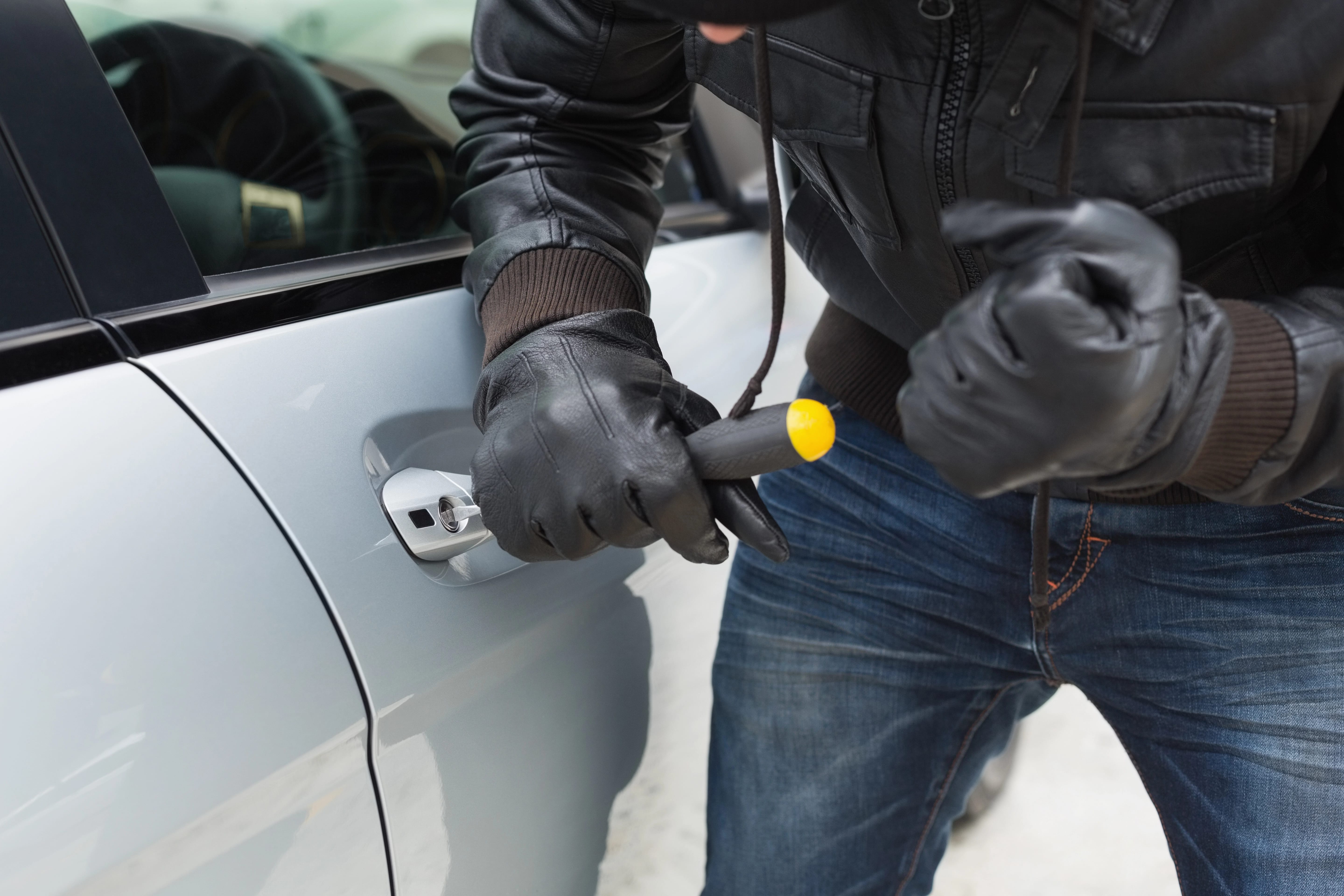
Relay theft – where thieves amplify your key fob’s signal from inside your home to unlock and start your car – has become rampant. Simply storing your fob in a metal container or Faraday pouch blocks this. It’s a $20 solution to a very expensive problem, and some insurers now ask about fob storage when calculating premiums.
Mistake #3: Staying Loyal to a Bad Rate
Canadian drivers are notoriously loyal to their insurers, often to their financial detriment. Insurance companies don’t reward loyalty with better rates – in fact, new customers frequently get better deals. If you haven’t shopped around in two years, you’re almost certainly overpaying.
Mistake #4: Choosing the Wrong Vehicle for Your Area
If you live in a high-theft postal code and you’re shopping for a vehicle, checking theft statistics should be as important as fuel economy. A Honda CR-V might cost you $800 more annually in insurance than a comparable Mazda CX-5 simply because of theft rates.
Mistake #5: Not Asking About Usage-Based Insurance
Programs like Desjardins’ Ajusto or CAA’s MyPace track your driving habits and can offer discounts up to 25%. If your vehicle sits in a secure garage most of the time, usage-based insurance could dramatically lower your costs.
Key Takeaways
- Insurance claims for stolen vehicles hit a confirmed $1.5 billion in Canada in 2023 (IBC), up nearly 20% from 2022 – directly driving your premium increases in 2026
- High-theft vehicles like the Lexus RX, Honda CR-V, and Ford F-150 can cost $300-$1,200 more annually to insure than lower-risk models
- Installing multiple anti-theft devices (GPS tracker + OBD lock + Faraday pouch) can earn combined discounts of up to 20%
- Shopping around between at least four insurers could save you 30-40% on identical coverage
- Ontario’s 2026 auto insurance indexation rate of 2.4% applies to specific accident benefit amounts and injury claim thresholds – not directly to your premium, though it reflects rising overall claims costs
- Where you park matters: secure garage parking can lower your premium, and some insurers offer specific discounts for it
Frequently Asked Questions
Can I get an insurance discount for installing an anti-theft device in Canada?
Yes, most Canadian insurers offer discounts of 5-15% for approved anti-theft devices like GPS trackers, kill switches, and OBD port locks. You’ll need to provide proof of installation and contact your insurer directly – discounts don’t apply automatically. Combining multiple devices can increase your total discount, with some drivers saving up to 20% on their comprehensive coverage.
Which cars have the highest theft rates affecting insurance in 2026?
The Lexus RX series, Honda CR-V, Ford F-150, Toyota Highlander, Dodge RAM 1500, and Range Rover consistently rank among Canada’s most-stolen vehicles. Owning any of these can add hundreds of dollars to your annual premium, particularly if you live in high-theft urban areas like the GTA or Montreal (where Ontario alone saw a 524% increase in theft claims costs between 2018 and 2023). When shopping for vehicles, asking your insurer for quotes on different models before purchasing can save you thousands over time.
Will my insurance drop if I park in a garage instead of the street?
Parking in a secure, enclosed garage can reduce your comprehensive premium, though the exact discount varies by insurer. Some companies offer explicit garage parking discounts of 3-8%, while others factor it into their overall risk calculation. If you’ve recently gained access to garage parking, contact your insurer immediately – they won’t know unless you tell them, and you could be missing out on savings.
Dealing with rising car theft insurance premium Canada costs is frustrating, but you’re not powerless. By installing proven anti-theft devices, shopping between multiple insurers, and making smart choices about where you park and what you drive, you can fight back against 2026’s higher rates. The key is taking action now rather than simply accepting your renewal notice. Ready to take control of more of your finances? Explore how starting to invest in Canada can help you build wealth while you protect it.
Get free Canadian money tips every week
TFSA updates, CRA changes, mortgage strategies — straight to your inbox every Thursday. No spam, unsubscribe anytime.
Certified Financial Planner (CFP) and Chartered Investment Manager (CIM) with over 17 years of experience in Canadian personal finance. Spent 10+ years at one of Canada's Big Five banks, the last 7 focused exclusively on high-net-worth clients. Every guide is written with the same depth I bring to real client work — Canada-specific, CRA-verified, and always free.
Disclaimer: This article is for informational and educational purposes only and does not constitute financial, tax, or legal advice. Always consult a qualified financial advisor or tax professional for personalized advice.