Understanding joint account rules Canada could save your family thousands of dollars — and prevent a legal nightmare. Picture this: you’re an adult child who just added your aging mother to your bank account so you can help pay her bills. Sounds simple, right? But what happens when she passes away, or when CRA comes knocking with questions about whose money is really in that account? In this guide, you’ll learn exactly how Canadian banks handle joint account ownership, what CRA watches for, how survivorship rights actually work, and the critical differences between “joint tenancy” and “tenants in common” structures. Whether you’re a couple combining finances or helping elderly parents, these rules matter more than you think.
Quick Answer:
- Joint accounts in Canada give all holders equal access to funds, but ownership for tax purposes depends on who contributed the money — not whose name is on the account
- When one joint account holder dies, the surviving holder(s) typically receive the funds automatically through “right of survivorship,” bypassing the estate
- CRA can and does access joint bank account information during audits, and they’ll attribute income (like interest) to the person who deposited the funds
- Canadian banks don’t automatically split ownership 50/50 — you need clear documentation to avoid disputes with CRA or other family members
What Are the Joint Account Rules Canada Banks Actually Enforce?
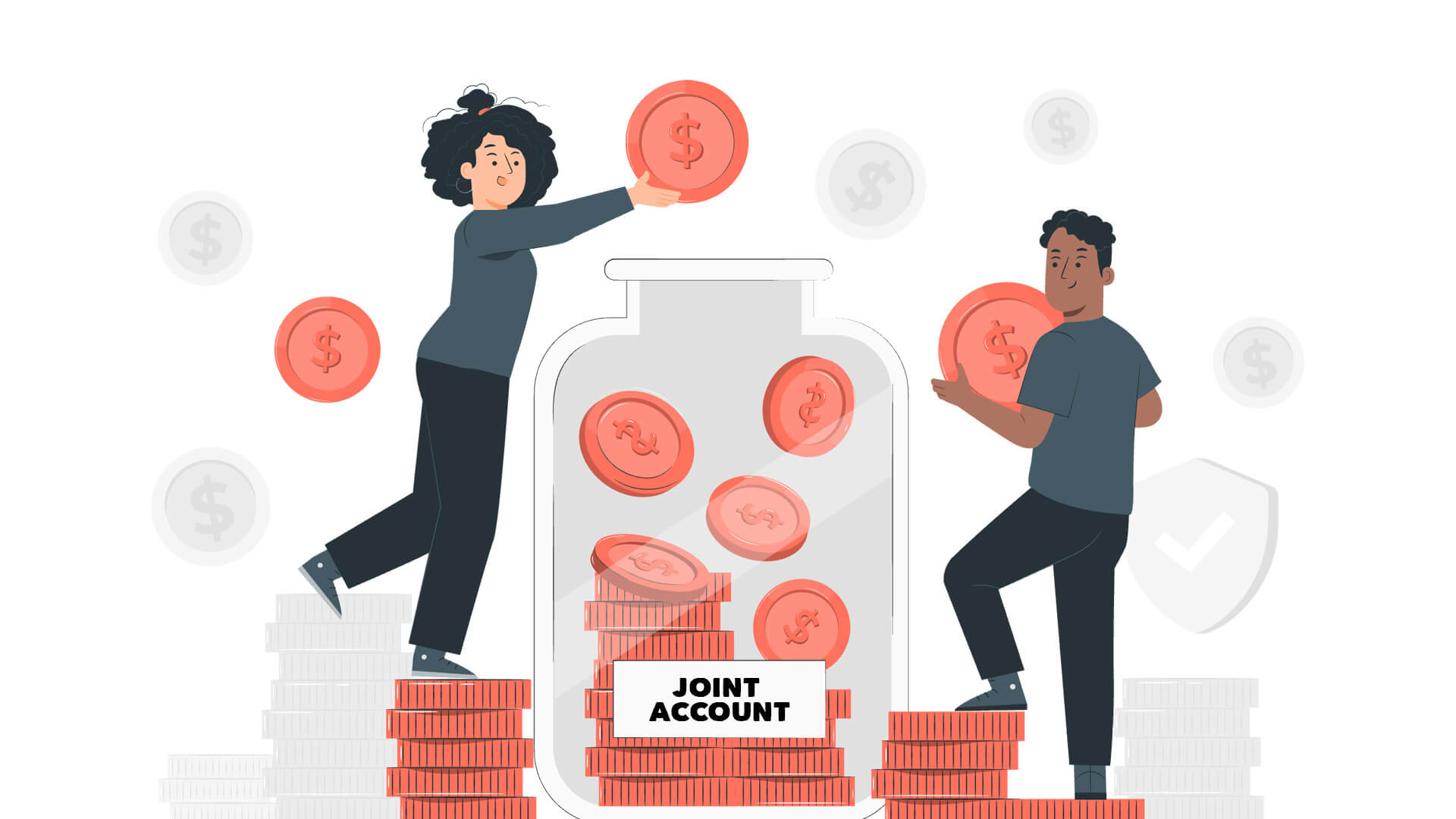
A joint bank account allows two or more people to share access to the same account for deposits, withdrawals, payments, and other transactions. According to the Financial Consumer Agency of Canada, joint accounts are commonly used by spouses, common-law partners, adult children managing finances with aging parents, and roommates splitting household expenses.
But here’s where it gets complicated: having your name on a joint account doesn’t automatically mean you own half the money inside it. Canadian banks and CRA view ownership very differently.
How Banks See Joint Accounts
From your bank’s perspective — whether it’s TD, RBC, BMO, Scotiabank, CIBC, or a digital bank like EQ Bank or Neo Financial — a joint account means:
- All account holders can deposit and withdraw funds independently
- All holders can view statements and transaction history
- Any holder can typically close the account (though some banks require all signatures)
- Each holder is equally liable for any overdrafts or fees
Most Canadian banks default to “joint tenancy with right of survivorship,” meaning when one account holder dies, the remaining holder(s) automatically inherit the account balance. This happens outside the probate process, which is why many Canadians use joint accounts as an estate planning tool.
How CRA Views Joint Account Ownership
Here’s where many Canadians get tripped up: CRA doesn’t care whose name is on the account. They care about who actually contributed the money.
If you deposit $50,000 into a joint account with your adult child, CRA still considers that your money for tax purposes. Any interest earned on that $50,000 must be reported on your tax return — not split between you and your child. This is the “attribution rule” in action, and ignoring it can trigger a CRA review.
How Do Canadian Banks Split Ownership on Joint Accounts?
The short answer: they don’t. Canadian banks don’t determine or enforce ownership percentages — that’s between you, your joint account holders, and potentially CRA or the courts.
When you open a joint account at any of the Big 5 banks or digital alternatives, you’re typically signing an agreement that establishes joint tenancy.
Joint Tenancy (Most Common)
Under joint tenancy, all account holders have equal right to access the full balance. When one holder dies, the surviving holder(s) receive everything automatically. The deceased’s share doesn’t pass through their will or estate — it goes directly to the survivor.
This is the default at most Canadian banks, and it’s why joint accounts are popular for couples who want seamless access to shared money.
Tenants in Common (Less Common for Bank Accounts)
With tenants in common, each holder owns a specific percentage of the account (like 60/40 or 70/30). When one holder dies, their share passes through their estate according to their will — not automatically to the other holder.
This structure is more common for property ownership but can be set up for bank accounts in some cases. You’ll need to specifically request this arrangement and document it clearly.
Documentation Matters
To protect yourself, keep records of:
- Who deposited what amounts and when
- The intended purpose of the joint account
- Any written agreements about ownership percentages
- Whether the joint account holder is meant to be a true owner or just have access for convenience
This documentation becomes critical if there’s ever a dispute — whether with CRA, other family members during estate settlement, or in a relationship breakdown. If you’re managing finances with aging parents, consider reading about how chequing accounts work in Canada to understand the basics before setting up shared access.
Joint Account vs. Sole Account: Which Structure Fits Your Situation?
Before opening a joint account, consider whether it’s actually the right tool for your situation. Here’s a detailed comparison:
| Feature | Joint Account | Sole Account with Authorized User | Power of Attorney |
|---|---|---|---|
| Access to Funds | All holders have full access | Owner has full access; authorized user has limited access | Agent can act on owner’s behalf |
| Ownership | All holders are legal owners | Only the account owner | Only the account owner |
| Survivorship | Automatic (funds bypass estate) | Funds go through estate | POA ends at death; funds go through estate |
| Tax Reporting | Based on who contributed funds | Account owner reports all income | Account owner reports all income |
| Liability for Overdrafts | All holders equally liable | Account owner liable | Account owner liable |
| Risk of Misuse | High — any holder can withdraw everything | Lower — authorized user typically has limits | Moderate — depends on POA terms |
| Setup Complexity | Easy — standard bank process | Easy — request at your bank | Requires legal documents |
For couples combining finances, a joint account often makes sense. But for adult children helping aging parents, a Power of Attorney or authorized user status might be safer — you get the access you need without the ownership complications.
What Does CRA Watch For With Joint Bank Accounts?
Understanding CRA joint account reporting rules is essential if you want to avoid an audit or reassessment. Here’s what triggers CRA attention:
Interest Income Attribution
If your joint savings account earns interest, CRA expects that income to be reported by whoever contributed the funds. If you contributed 80% of the account balance and your partner contributed 20%, you report 80% of the interest income on your tax return.
With the Bank of Canada’s policy rate at 2.25% as of mid-2026, high-interest savings accounts are still generating meaningful interest — typically 2.5% to 3.5% on an ongoing basis at competitive online banks (some promotional offers run higher for a limited period). On a $50,000 balance earning a representative 3% ongoing rate, that’s approximately $1,500 in annual interest that needs to be properly attributed. If you’re parking cash in a high-yield account, make sure you understand where to get the best rates in Canada and how to report the income correctly.
Large Transfers and Gifting
When you add someone to your account or transfer large sums into a joint account, CRA may view this as a gift. While Canada doesn’t have a gift tax, there are still implications:
- If you gift money to a spouse or common-law partner, attribution rules apply — any income earned on that money is still taxable to you
- Gifts to adult children don’t trigger attribution (the child reports any income), but CRA may question whether it was a true gift or just convenience
- Large, unusual deposits can trigger automatic reporting by your bank under FINTRAC rules
Estate and Probate Avoidance
CRA and provincial tax authorities know that some Canadians use joint accounts specifically to avoid probate fees. While this isn’t illegal, problems arise when:
- The joint account was set up for “convenience” but the surviving holder claims full ownership
- The deceased’s estate doesn’t have enough assets to pay final taxes because everything was in joint accounts
- Other beneficiaries challenge the joint account ownership
How to Set Up a Joint Bank Account in Canada: Step-by-Step
If you’ve decided a joint account is right for your situation, here’s how to set one up properly:
Step 1: Choose the Right Bank and Account Type
Consider what you need the account for:
- Daily spending: A no-fee chequing account at a Big 5 bank or digital bank like Neo Financial
- Savings goals: A high-interest savings account at EQ Bank or another competitive provider
- Emergency fund: An accessible savings account with no withdrawal restrictions
Most banks offer joint versions of all their standard accounts. Fees, interest rates, and features work the same as individual accounts.
Step 2: Gather Required Documentation
Both account holders typically need to provide:
- Government-issued photo ID (driver’s licence, passport)
- Social Insurance Number (SIN)
- Proof of address (utility bill, bank statement)
- Information about employment and income (some banks)
Both holders usually need to be present when opening the account, though some banks now allow remote verification for the second holder.
Step 3: Decide on Account Access Settings
Discuss with your bank:
- Will both holders have debit cards?
- Can either holder make changes independently, or are both signatures required?
- What happens if one holder wants to close the account?
- Will you set up online and mobile banking for both holders?
Step 4: Document Your Ownership Agreement
This step isn’t required by banks, but it protects you later. Create a simple written agreement between all joint account holders that specifies:
- The purpose of the joint account
- Who is contributing what amounts
- How any remaining funds should be handled if the relationship ends or someone dies
- Whether this is a “true” joint ownership or just convenience access
This document can prevent family disputes and help clarify things for CRA if questions arise.
Common Mistakes That Get Canadians in Trouble With Joint Accounts
After understanding the joint account rules Canada banks follow, you’ll want to avoid these common pitfalls:
Mistake 1: Adding a Child to Your Account Without Considering the Consequences
Many parents add an adult child to their bank account so the child can help with bill payments. But this creates real ownership — your child now legally owns half the account, even if that wasn’t your intention.
Risks include:
- If your child has creditor problems or goes through a divorce, “their” half of your account could be claimed
- Other children may contest the account after you pass away, claiming it was meant for convenience only
- Your child’s SIN is now connected to the account, creating tax reporting obligations
Better alternative: Consider a Power of Attorney for banking or asking your bank about authorized signer status, which provides access without ownership.
Mistake 2: Ignoring Tax Attribution Rules
Simply splitting interest income 50/50 with your joint account holder can trigger a CRA reassessment if the contributions weren’t actually equal. Keep records of who deposited what, and report interest income accordingly.
This is especially important if you’re using a joint account to save within a taxable account. While registered accounts like TFSAs (with a 2026 limit of $7,000) and RRSPs can’t be held jointly, the interest earned in joint non-registered accounts is fully taxable and must be properly attributed.
Mistake 3: Assuming Joint Accounts Replace a Will
While joint accounts do bypass probate, they don’t replace proper estate planning. Issues that can arise:
- Your estate may not have enough liquid assets to pay final taxes or debts
- Joint accounts don’t provide for beneficiaries who aren’t account holders
- Provincial laws vary on whether the surviving holder truly owns the account or holds it in trust for the estate
Mistake 4: Not Understanding Liability
If your joint account holder overdraws the account or writes bad cheques, you’re equally liable. Some Canadian banks also allow any holder to pledge the account as collateral for loans — putting your money at risk. Understand how different Canadian banks handle these policies before opening a joint account.
Key Takeaways
- Joint account rules Canada vary between bank access (equal for all holders) and CRA tax treatment (based on who contributed funds) — these are not the same thing
- The default “joint tenancy with right of survivorship” means the surviving account holder automatically receives the full balance when one holder dies, bypassing the estate and probate
- CRA can access your joint bank account information during audits and expects interest income to be reported by whoever deposited the money — not split arbitrarily
- Adding a family member to your account for “convenience” still creates legal ownership, which can complicate estates, creditor claims, and family relationships
- Proper documentation of who contributed what and why the joint account exists can prevent disputes with CRA, family members, and courts
- Alternatives like Power of Attorney or authorized user status may provide the access you need without the ownership complications
Frequently Asked Questions
What happens to a joint account when one person dies in Canada?
When one joint account holder dies in Canada, the surviving holder(s) typically receive the full account balance automatically through “right of survivorship.” This happens outside the probate process, meaning the funds don’t go through the deceased’s estate or will. The surviving holder simply needs to provide the bank with a death certificate, and the account continues in their name alone. However, other family members or the estate can challenge this if they believe the joint account was set up for convenience rather than true shared ownership.
Can CRA access joint bank account information?
Yes, CRA can and does access joint bank account information. Under Canadian tax law, financial institutions must report certain information to CRA, including interest paid on accounts over $50. During audits or investigations, CRA can also request detailed account records directly from your bank. They use this information to verify that interest income is being properly reported and to track large deposits or transfers that might indicate unreported income. If you’re involved in a tax dispute, CRA has significant power to obtain your banking records.
How do Canadian banks split ownership on joint accounts?
Canadian banks don’t actually determine or enforce ownership splits on joint accounts. From the bank’s perspective, all joint account holders have equal right to access and withdraw 100% of the funds. Ownership percentages only matter for tax purposes (reporting interest income) and legal disputes (estate challenges, divorces). CRA attributes ownership based on who contributed the money, not whose name is on the account. If you need a specific ownership split for tax or legal purposes, you must document this separately — the bank won’t do it for you.
Now that you understand the joint account rules Canada banks and CRA actually enforce, you’re better equipped to make smart decisions about shared finances. Whether you’re combining money with a partner or helping aging parents manage their accounts, the key is knowing the difference between bank access and true ownership — and documenting your intentions clearly. Joint accounts can be powerful tools for convenience and estate planning, but only when you use them with full awareness of the tax implications, liability risks, and family dynamics involved. For more guidance on managing your cash effectively in 2026, explore our other guides on Getwealthy and take control of your financial future.
Get free Canadian money tips every week
TFSA updates, CRA changes, mortgage strategies — straight to your inbox every Thursday. No spam, unsubscribe anytime.
Certified Financial Planner (CFP) and Chartered Investment Manager (CIM) with over 17 years of experience in Canadian personal finance. Spent 10+ years at one of Canada's Big Five banks, the last 7 focused exclusively on high-net-worth clients. Every guide is written with the same depth I bring to real client work — Canada-specific, CRA-verified, and always free.
Disclaimer: This article is for informational and educational purposes only and does not constitute financial, tax, or legal advice. Always consult a qualified financial advisor or tax professional for personalized advice.