If you’re searching for how to buy ETF Canada, you’re asking the exact right question to start building wealth in 2026. Exchange-traded funds (ETFs) have become the go-to investment for Canadians who want diversification, low fees, and simplicity — all in a single purchase. Whether you have $50 or $50,000 to invest, this step-by-step guide walks you through everything: choosing the right account, picking a brokerage, selecting your first ETF, and placing your order. By the end, you’ll have the confidence to make your first ETF purchase today and start growing your money the smart way.
Quick Answer:
- Open a brokerage account (Questrade, Wealthsimple, or a big bank) and fund it with a TFSA or RRSP for tax advantages
- Search for the ETF ticker you want (e.g., XEQT, VEQT, or VBAL), select your order type (market or limit), and specify how many shares to buy
- Many Canadian brokerages have no minimum investment — you can start with as little as the price of one ETF share (often $20–$35)
- Commission-free ETF buying is available at Wealthsimple and Questrade, making it easy for beginners to invest without extra fees
What Is an ETF and Why Should Canadian Beginners Start Here?
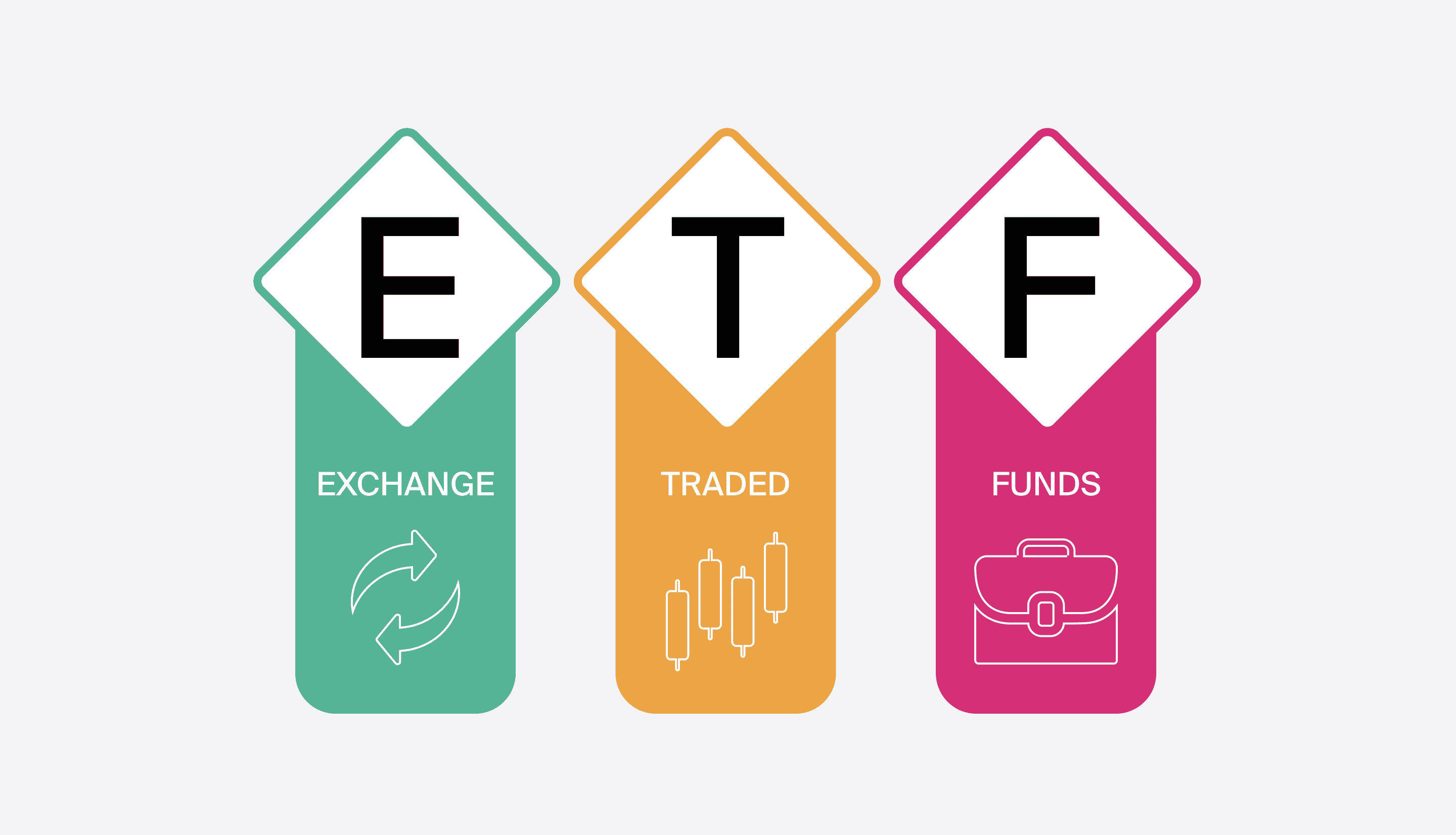
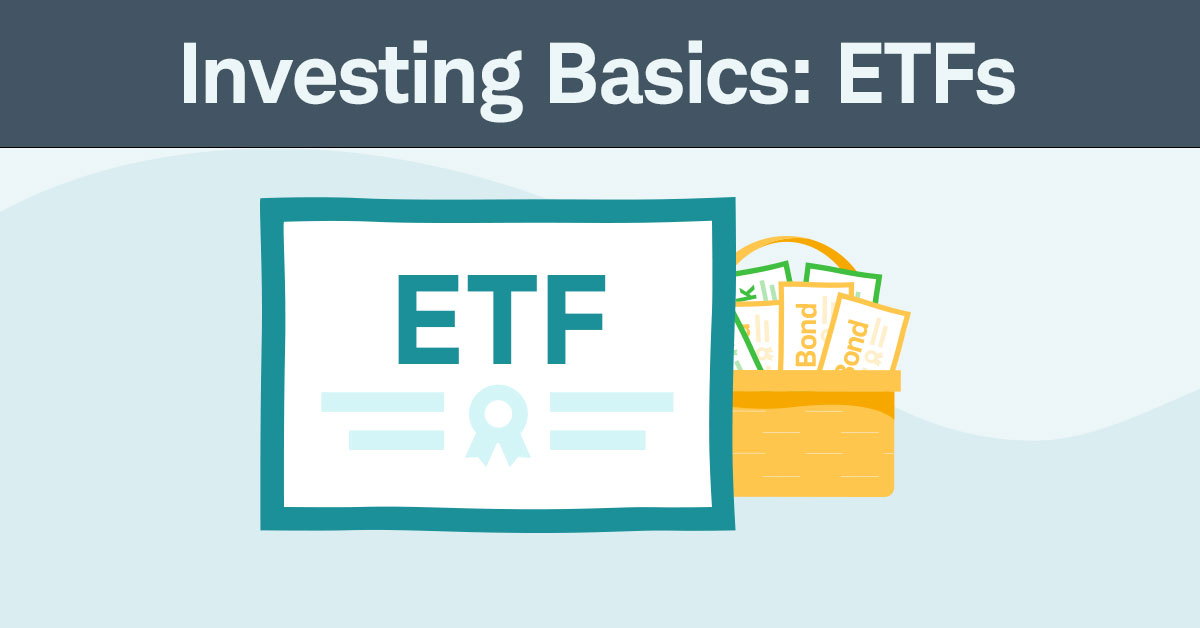
An exchange-traded fund (ETF) is a basket of investments — stocks, bonds, or other assets — bundled into a single fund that trades on a stock exchange just like a regular stock. When you buy one share of an ETF, you instantly own a tiny piece of every company or asset inside that fund. This is why ETFs are considered the best ETF for beginners Canada: they give you instant diversification without needing to pick individual stocks.
The Power of Instant Diversification
Imagine trying to buy shares in 500 different companies to diversify your portfolio. You’d need tens of thousands of dollars and hours of research. With a single all-in-one ETF like Vanguard’s VEQT or iShares’ XEQT, you get exposure to thousands of stocks across Canada, the U.S., and international markets — all for the price of one share (typically $30–$40 CAD).
This diversification protects you from the risk of any single company tanking. If one stock drops 50%, your overall portfolio barely notices because it’s spread across thousands of holdings. For beginners, this built-in protection is invaluable.
Why ETFs Beat Mutual Funds for Most Canadians
Traditional mutual funds sold by Canadian banks often charge Management Expense Ratios (MERs) of 2.0% to 2.5% annually. That might not sound like much, but over 25 years, those fees can eat up 30–40% of your potential returns. ETFs, by contrast, typically charge MERs between 0.05% and 0.25% — a fraction of the cost.
ETFs also offer more transparency. You can see exactly what’s inside your fund at any time, and you can buy or sell shares throughout the trading day at market prices. Mutual funds only trade once daily after markets close.
How Do You Choose the Right Account for Buying ETFs in Canada?
Before you buy your first ETF, you need to decide which type of account to hold it in. The account you choose affects how much tax you’ll pay — or avoid — on your investment gains. Here are your main options for Canadian ETF investing for beginners:
Tax-Free Savings Account (TFSA)
The TFSA is the most popular choice for Canadian investors, and for good reason. Any investment growth inside your TFSA — dividends, interest, or capital gains — is completely tax-free. You can withdraw anytime without penalty, and you get that contribution room back the following year. For 2026, the annual TFSA contribution limit is $7,000, with a cumulative lifetime limit of approximately $109,000 if you’ve been eligible since 2009. Confirm your exact room via CRA’s official TFSA calculator.
For most beginners, especially those under 50, the TFSA should be your first choice. You’ve already paid tax on the money going in, so everything that comes out is yours to keep.
Registered Retirement Savings Plan (RRSP)
The RRSP offers a different tax advantage: contributions are tax-deductible. If you earn $70,000 and contribute $10,000 to your RRSP, you’ll only pay income tax on $60,000. Your investments grow tax-deferred until you withdraw them in retirement — when you’ll likely be in a lower tax bracket. For 2026 contributions, the RRSP limit is 18% of your 2025 earned income, up to a maximum of $33,810 (an increase from $32,490 for 2025 contributions). See CRA’s official RRSP deduction page for the current rules.
RRSPs work best for higher earners who expect to be in a lower tax bracket in retirement.
First Home Savings Account (FHSA)
If you’re saving for your first home, the FHSA combines the best of both worlds: tax-deductible contributions (like an RRSP) and tax-free withdrawals for a home purchase (like a TFSA). You can contribute up to $8,000 per year, with a $40,000 lifetime maximum. This is a powerful tool for first-time homebuyers under 40.
Non-Registered (Taxable) Account
Once you’ve maxed out your TFSA, RRSP, and FHSA, you can invest in a regular taxable account. There’s no contribution limit, but you’ll pay tax on dividends annually and capital gains when you sell. This is typically your last priority, but it’s still far better than leaving money in a savings account earning minimal interest.
Comparing Canadian Brokerages: Where to Buy ETFs in 2026
Choosing the right brokerage can save you hundreds or even thousands of dollars over time. Here’s how the most popular options stack up for buying ETFs in TFSA accounts and beyond:
| Feature | Wealthsimple Trade | Questrade | Big Bank Brokerages (TD, RBC, BMO) |
|---|---|---|---|
| ETF Buying Commission | $0 | $0 (free to buy) | $5–$10 per trade |
| ETF Selling Commission | $0 | $4.95–$9.95 | $5–$10 per trade |
| Minimum Account Balance | $0 | $0 | $0–$1,000 |
| Account Types Available | TFSA, RRSP, FHSA, Non-Registered | TFSA, RRSP, FHSA, RESP, Non-Registered | All account types |
| Mobile App Quality | Excellent | Good | Varies by bank |
| Research Tools | Basic | Advanced | Comprehensive |
| Best For | Beginners, small portfolios | Cost-conscious investors, active traders | Those who want everything in one place |
For most beginners learning how to buy ETF Canada, Wealthsimple Trade or Questrade are the top choices. Wealthsimple offers the simplest experience with zero commissions on all trades. Questrade charges nothing to buy ETFs (though you pay a small fee to sell), and it offers more advanced tools. Bank brokerages like TD Direct Investing or RBC Direct Investing are convenient if you already bank there, but their trading fees add up quickly — especially if you’re making small, regular contributions.
How to Buy Your First ETF in Canada: Step-by-Step Guide
Now let’s walk through the actual process of buying your first ETF. This guide applies whether you’re using Wealthsimple, Questrade, or a bank brokerage — the steps are similar across platforms.
Step 1: Open and Fund Your Brokerage Account
Start by signing up with your chosen brokerage. You’ll need your SIN (Social Insurance Number), government ID, and banking information. The application takes about 10–15 minutes online. Most brokerages verify your identity within 1–2 business days.
Once approved, link your bank account and transfer money in. Choose your account type carefully — if you’re buying ETFs in TFSA, make sure you open a TFSA account specifically. You can open multiple account types (TFSA, RRSP, FHSA) at the same brokerage.
Transfer times vary: Wealthsimple typically takes 1–3 business days for electronic transfers, while bank brokerages may be faster if you’re transferring from the same bank.
Step 2: Choose Your First ETF
For beginners, all-in-one ETFs are the simplest choice. These funds hold a pre-set mix of stocks and bonds, automatically rebalancing to maintain that allocation. Here are the most popular options:
- XEQT (iShares Core Equity ETF Portfolio): 100% stocks across Canadian, U.S., and international markets. Best for long-term investors (10+ years) comfortable with volatility. MER: 0.20%.
- VEQT (Vanguard All-Equity ETF Portfolio): Similar to XEQT — 100% global stocks. MER: 0.24%.
- XGRO (iShares Core Growth ETF Portfolio): 80% stocks, 20% bonds. Slightly less volatile than all-equity options. MER: 0.20%.
- VBAL (Vanguard Balanced ETF Portfolio): 60% stocks, 40% bonds. More conservative, suitable for shorter time horizons or lower risk tolerance. MER: 0.24%.
If you’re under 40 and investing for retirement, XEQT or VEQT are excellent choices. If you’re closer to retirement or prefer less volatility, XGRO or VBAL offer more stability. The key is matching your choice to your time horizon and comfort with market swings.
Step 3: Search for the ETF Ticker
In your brokerage’s search bar, type the ticker symbol of the ETF you want (e.g., “XEQT” or “VEQT”). Make sure you’re selecting the version listed on the Toronto Stock Exchange (TSX) — you’ll see “.TO” after the ticker on some platforms.
Take a moment to review the ETF’s details: current price, MER, holdings, and recent performance. This helps confirm you’re buying what you intended.
Step 4: Select Your Order Type
You’ll typically choose between two order types:
Market Order: Buys the ETF immediately at the current best available price. This is the simplest option and works well for popular, liquid ETFs like XEQT or VEQT. You’ll get your shares within seconds during market hours.
Limit Order: Sets a maximum price you’re willing to pay. The order only executes if the ETF reaches that price or lower. This gives you more control but may not execute immediately if the price doesn’t hit your limit.
For beginners buying popular all-in-one ETFs, market orders are usually fine. The “spread” (difference between buy and sell prices) is typically just a few cents on high-volume ETFs. Limit orders become more important when buying less liquid ETFs or making very large purchases.
Step 5: Specify the Quantity and Place Your Order
Enter how many shares you want to buy. If XEQT is trading at $28 CAD and you want to invest $500, you’d buy approximately 17 shares (17 × $28 = $476, with $24 left over as uninvested cash — verified).
Review your order details: the ETF ticker, quantity, estimated total cost, and any commissions. Then submit your order. If you placed a market order during trading hours (9:30 AM to 4:00 PM ET, Monday to Friday), it should execute within seconds.
Congratulations — you now own your first ETF!
Step 6: Set Up Automatic Contributions (Optional but Recommended)
The most successful investors automate their contributions. Set up a recurring transfer from your bank account to your brokerage — weekly, bi-weekly, or monthly — timed with your paycheque. This strategy, called dollar-cost averaging, means you buy more shares when prices are low and fewer when prices are high, smoothing out your average purchase price over time.
Some brokerages (like Questrade) even let you set up automatic ETF purchases, turning the entire process into a hands-off wealth-building machine.
Common Mistakes Canadian Beginners Make When Buying ETFs
Knowing what to avoid is just as important as knowing what to do. Here are the most frequent pitfalls — and how to sidestep them:
Mistake 1: Waiting for the “Perfect” Time to Invest
Many beginners sit on the sidelines waiting for a market dip. The problem? Time in the market beats timing the market almost every time. Historical data shows that missing just the 10 best trading days over a 20-year period can cut your returns nearly in half. Start investing now with whatever amount you have, and add consistently over time.
Mistake 2: Over-Complicating Your Portfolio
Some investors buy 15 different ETFs thinking they’re diversifying — but end up with overlapping holdings and a confusing mess. A single all-in-one ETF like XEQT or VEQT holds thousands of stocks across the globe. For most beginners, one fund is genuinely all you need. As you learn more and your portfolio grows, you can add complexity if warranted.
Mistake 3: Ignoring Currency Hedging
Some Canadian ETFs offer “hedged” versions that protect against U.S. dollar fluctuations. For long-term investors, unhedged ETFs are generally fine — currency fluctuations tend to balance out over decades. But if you’re investing for a shorter period or want to reduce volatility, hedged versions (look for “CAD-Hedged” in the ETF name) might be appropriate.
Mistake 4: Checking Your Portfolio Too Often
Watching your investments daily — especially during market downturns — triggers emotional decisions. You might panic-sell at the worst possible time. Check your portfolio monthly or quarterly at most. Better yet, set up automatic contributions and look only once or twice a year.
Mistake 5: Forgetting About Your Contribution Limits
If you over-contribute to your TFSA, the CRA charges a 1% penalty per month on the excess amount. Keep track of your contribution room using your CRA My Account. The same applies to RRSPs and FHSAs — know your limits before transferring money in.
Understanding ETF Costs: What You’ll Actually Pay
Knowing the true cost of ETF investing helps you make smarter decisions. Here’s a breakdown:
Management Expense Ratio (MER)
The MER is an annual fee charged by the ETF provider, expressed as a percentage of your holdings. It’s deducted automatically from the fund’s returns — you never write a cheque. All-in-one ETFs like XEQT (0.20% MER) or VEQT (0.24% MER) are among the cheapest ways to invest in a diversified portfolio.
On a $50,000 portfolio, a 0.20% MER costs you about $100 per year. Compare that to a 2.0% mutual fund fee, which would cost $1,000 annually — a $900 difference that compounds massively over time.
Trading Commissions
As mentioned, Wealthsimple and Questrade offer free ETF purchases. Bank brokerages typically charge $5–$10 per trade. If you’re making small, frequent purchases, these fees can significantly erode your returns at bank brokerages.
Foreign Exchange Fees
Buying U.S.-listed ETFs from a Canadian account involves currency conversion. Wealthsimple charges a 1.5% conversion fee (reduced to 0% with their Premium plan). Questrade uses a spread that’s typically around 1–2%. For most beginners, sticking with Canadian-listed all-in-one ETFs avoids this issue entirely — XEQT and VEQT handle global diversification within a single CAD-denominated fund.
Key Takeaways
- The 2026 TFSA contribution limit is $7,000, making it the ideal first account for most Canadian beginners to buy ETFs tax-free
- All-in-one ETFs like XEQT or VEQT offer instant global diversification with MERs as low as 0.20%, compared to 2%+ for typical bank mutual funds
- Commission-free platforms like Wealthsimple and Questrade make it free to buy ETFs, eliminating a major barrier for small investors
- A market order on a popular ETF executes in seconds — you can own your first ETF within minutes of funding your account
- The 2026 RRSP limit is $33,810 (not $32,490, which was 2025’s limit)
- Automating your contributions through dollar-cost averaging removes emotion from investing and builds wealth consistently over time
- Avoid over-complicating your portfolio; one well-chosen all-in-one ETF is enough for most beginners to start
Frequently Asked Questions
What is the minimum amount to buy an ETF in Canada?
There is no set minimum — you just need enough to buy at least one share. Most popular all-in-one ETFs trade between $25 and $40 CAD per share, so you can start investing with as little as $30–$50. Some brokerages like Wealthsimple now offer fractional shares, allowing you to invest any dollar amount regardless of share price.
How do I buy ETFs in my TFSA or RRSP?
You buy ETFs inside a TFSA or RRSP by first opening that specific account type at a brokerage (Wealthsimple, Questrade, or a bank), then funding it with a deposit from your bank account. Once your money arrives, search for the ETF ticker, place your order, and the shares will be held within your tax-advantaged account. All investment gains remain sheltered from tax as long as the funds stay inside the registered account.
Can beginners invest in ETFs in Canada?
Absolutely — ETFs are considered the best starting point for beginners because they offer instant diversification, low fees, and simplicity. Opening a TFSA or RRSP, picking a low-cost platform, and building a diversified portfolio with ETFs is a proven step-by-step approach. You don’t need advanced financial knowledge; buying one all-in-one ETF is enough to get started on a solid wealth-building path.
Now that you know exactly how to buy ETF Canada, you’re ready to take the most important step: actually doing it. Opening a brokerage account takes 15 minutes, and your first ETF purchase can happen the same week. The best time to start was yesterday; the second-best time is today. Start with whatever amount you can afford, set up automatic contributions, and let compounding work its magic over the years ahead. Explore more Canadian investing guides on Getwealthy to keep building your financial knowledge.
Get free Canadian money tips every week
TFSA updates, CRA changes, mortgage strategies — straight to your inbox every Thursday. No spam, unsubscribe anytime.
Certified Financial Planner (CFP) and Chartered Investment Manager (CIM) with over 17 years of experience in Canadian personal finance. Spent 10+ years at one of Canada's Big Five banks, the last 7 focused exclusively on high-net-worth clients. Every guide is written with the same depth I bring to real client work — Canada-specific, CRA-verified, and always free.
Disclaimer: This article is for informational and educational purposes only and does not constitute financial, tax, or legal advice. Always consult a qualified financial advisor or tax professional for personalized advice.