The belief that carrying balance build credit score is one of the most expensive myths in Canadian personal finance — and it’s costing cardholders hundreds of dollars in unnecessary interest every single year. This remains one of the most persistent credit myths Canadians still believe in 2026. The truth? You’re literally paying money for nothing. In this post, you’ll discover exactly how credit scores work in Canada, why carrying a balance hurts rather than helps, and the proven strategies that actually build your credit rating without wasting a single dollar on interest charges.
📋 Table of Contents
- Does Carrying Balance Build Credit Score? The Truth Canadian Banks Won’t Advertise
- What Credit Utilization Ratio Should Canadians Maintain for the Best Scores?
- Carrying a Balance vs. Paying in Full: A Complete Comparison
- How to Build Credit in Canada: A Step-by-Step Strategy That Actually Works
- Common Credit Score Mistakes Canadians Make in 2026
- The Interest Rate Environment in July 2026: Why Debt Costs More Now
- Key Takeaways
- Frequently Asked Questions
Does Carrying Balance Build Credit Score? The Truth Canadian Banks Won’t Advertise
Let’s get straight to the point: No, carrying a balance on your credit card does not build your credit score in Canada. This myth persists partly because it benefits credit card issuers — after all, when you carry a balance, they collect interest at rates typically ranging from 19.99% to 22.99% annually. That’s money flowing directly from your pocket to theirs, with zero benefit to your credit rating.
How Credit Bureaus Actually Calculate Your Score
In Canada, Equifax and TransUnion are the two major credit bureaus that calculate your credit score. Neither of them rewards you for carrying a balance. What they actually track includes your payment history (do you pay on time?), your credit utilization ratio (how much of your available credit are you using?), the length of your credit history, the types of credit you have, and recent credit inquiries.
When your credit card statement closes, the balance at that moment gets reported to the bureaus — whether you pay it in full or carry it forward. The bureaus don’t see whether you paid interest. They only see that you used credit and whether you made at least the minimum payment on time.
The Real Reason This Myth Persists
This credit score myth in Canada likely started from a misunderstanding about credit activity. Yes, you need to actually use your credit card for it to help your score. A card that sits in your drawer unused for years won’t demonstrate responsible credit behaviour. But “using” your card simply means making purchases and paying them off — not paying interest on revolving balances.
Think about it this way: if you spend $500 on your credit card this month and pay the full $500 before the due date, you’ve demonstrated that you can borrow responsibly and repay on time. That’s all the credit bureaus need to see. Carrying $200 of that balance to the next month and paying 20% interest on it adds nothing positive to your credit file — it just costs you money.
What Credit Utilization Ratio Should Canadians Maintain for the Best Scores?
Understanding your credit card utilization ratio is crucial if you want to learn how to build credit Canada effectively. This ratio measures how much of your available credit you’re currently using, and it’s one of the most important factors in your credit score calculation.
The 30% Rule Explained
Financial experts consistently recommend keeping your credit utilization below 30%. If you have a credit card with a $10,000 limit, you should aim to keep your balance below $3,000 at any given time. Better yet, keeping it under 10% can give your score an extra boost.
Here’s where it gets interesting: the timing of when your balance gets reported matters. Most credit card issuers report your balance to the bureaus on your statement closing date — not your payment due date. So even if you pay your card in full every month, a high balance on your statement date could temporarily lower your score.
Strategic Payment Timing
If you’re applying for a mortgage, car loan, or any other major credit product, consider making a payment before your statement closes. This ensures a lower balance gets reported to the bureaus. For everyday credit building, simply paying your full statement balance by the due date works perfectly well.
For those working to improve their financial position, understanding how different accounts work together matters. If you’re also focused on growing your investments alongside building credit, our guide on which account to invest in first explains the optimal order for TFSAs, RRSPs, and FHSAs.
Carrying a Balance vs. Paying in Full: A Complete Comparison
Let’s compare what actually happens to your finances and credit score under both scenarios. This table breaks down the real differences between carrying a balance and paying your credit card in full each month.
| Factor | Carrying a Balance | Paying in Full |
|---|---|---|
| Interest Charges | 19.99%–22.99% annually on unpaid balance | $0 (grace period applies) |
| Impact on Credit Score | No positive impact; may hurt if utilization exceeds 30% | Positive impact when combined with on-time payments |
| Payment History Reporting | Reports “minimum payment made” | Reports “paid as agreed” |
| Annual Cost on $3,000 Balance | $600–$690 in interest | $0 |
| Credit Utilization Effect | Keeps utilization elevated month-over-month | Utilization resets to $0 each cycle |
| Financial Stress | Debt compounds; balances grow | Clean slate each month |
The comparison makes it clear: paying in full wins in every category. You save money, build credit just as effectively (or more so), and avoid the stress of growing debt. There’s simply no financial benefit to carrying balance build credit score — it’s purely a myth.
How to Build Credit in Canada: A Step-by-Step Strategy That Actually Works
Now that we’ve debunked the myth, let’s focus on what genuinely improves your credit score in Canada. These strategies are backed by how credit bureaus actually calculate scores, not by outdated misconceptions.
Step 1: Use Your Credit Card Regularly (But Responsibly)
The key is demonstrating consistent, responsible credit use. Put a few regular expenses on your credit card — groceries, gas, or a streaming subscription. This creates a track record of activity. You don’t need to make large purchases; even $50–100 per month of regular spending that you pay off shows responsible behaviour.
Many Canadians find success by using their credit card for one or two fixed monthly expenses, then setting up automatic payments to pay the balance in full. This creates a “set and forget” system that builds credit without any risk of overspending or missed payments.
Step 2: Set Up Payment Reminders or Auto-Pay
Payment history is the single most important factor in your credit score — it accounts for roughly 35% of your score calculation. One missed payment can drop your score significantly and stay on your credit report for up to six to seven years in Canada.
Set up automatic payments through your bank to pay at least the minimum (though paying in full is strongly recommended). Most major banks like TD, RBC, BMO, Scotiabank, and CIBC offer easy auto-pay setup through their online banking platforms. Wealthsimple and EQ Bank also offer seamless bill payment features.
Step 3: Request Credit Limit Increases Strategically
A higher credit limit — without increasing your spending — automatically lowers your credit utilization ratio. If you have a $5,000 limit and regularly spend $1,500 per month, your utilization is 30%. Get that limit raised to $10,000 while keeping spending the same, and your utilization drops to 15%.
Most credit card issuers allow you to request increases online. Some, like TD and CIBC, may do a “soft pull” that doesn’t affect your credit score. Others may do a “hard inquiry,” so ask before you apply.
Step 4: Keep Old Accounts Open
The length of your credit history matters. That first credit card you got at 18? Keep it open, even if you rarely use it. Put a small recurring charge on it (like a $10 monthly subscription) and set up auto-pay. This maintains the account’s activity while preserving your credit history length.
Closing old accounts can actually hurt your score by reducing your average account age and lowering your total available credit (which increases your utilization ratio if you have balances elsewhere).
Common Credit Score Mistakes Canadians Make in 2026
Beyond the carrying-a-balance myth, several other misconceptions can hurt your credit score. Here’s what to avoid.
Mistake 1: Applying for Too Many Cards at Once
Each credit card application triggers a hard inquiry on your credit report. Multiple inquiries in a short period can lower your score and signal to lenders that you might be desperate for credit. Space out applications by at least three to six months.
Mistake 2: Ignoring Your Credit Report
Errors happen. Accounts you don’t recognize, incorrect balances, or even identity theft can appear on your credit report without your knowledge. Both Equifax and TransUnion allow Canadians to check their credit reports for free. Do this at least once a year — some financial advisors recommend checking every four months, alternating between bureaus.
Mistake 3: Closing Cards to Avoid Temptation
If you’re worried about overspending, cutting up the card is better than closing the account. A closed account will eventually drop off your credit report, taking its positive history with it. An open account with a zero balance continues to help your credit utilization and credit age.
Mistake 4: Focusing Only on Credit Cards
Credit mix matters too. Having different types of credit — a credit card, a line of credit, or a car loan — shows lenders you can handle various credit products responsibly. This doesn’t mean you should take on debt you don’t need, but if you’re financing a necessary purchase anyway, know that having diverse credit types can help your score.
The Interest Rate Environment in July 2026: Why Debt Costs More Now
Understanding current interest rates makes the “carry a balance” myth even more costly. As of July 2026, the Bank of Canada is holding its policy interest rate at 2.25%. While this represents relief from the higher rates seen in 2023–2024, credit card interest rates haven’t dropped proportionally.
Most credit cards in Canada still charge between 19.99% and 22.99% on carried balances. Some store credit cards charge even more — up to 29.99%. These rates mean that every $1,000 you carry costs you roughly $200–230 per year in interest alone.
The Compound Problem
Credit card interest compounds daily on most cards. If you carry a $3,000 balance and only make minimum payments, you could end up paying well over $1,000 in additional interest before the balance is cleared — and that’s assuming you stop using the card entirely. The math simply doesn’t support the idea that carrying balance build credit score benefits anyone except the credit card company.
For Canadians looking to optimize their overall financial picture, protecting your wealth matters just as much as building it. With inflation and economic uncertainty, exploring strategies to protect your assets against rising costs offers practical guidance for 2026.
Key Takeaways
- Carrying a balance does NOT build your credit score — it only costs you 19.99%–22.99% interest annually while providing zero credit benefit
- Keep your credit utilization ratio below 30% (ideally under 10%) for the best impact on your score
- Payment history accounts for roughly 35% of your credit score — set up auto-pay to never miss a due date
- With the Bank of Canada rate at 2.25% as of July 2026, credit card rates remain high; paying in full each month saves hundreds of dollars yearly
- Check your credit report from Equifax and TransUnion at least once a year to catch errors or fraud early
- Keep old credit accounts open to maintain your credit history length and total available credit
Frequently Asked Questions
Does carrying a balance on your credit card help your credit score in Canada?
No, carrying a balance does not help your credit score in Canada. Credit bureaus like Equifax and TransUnion don’t reward cardholders for paying interest — they only track whether you make payments on time and how much of your available credit you’re using. Paying your balance in full each month builds credit just as effectively while saving you hundreds of dollars in interest charges annually.
What credit utilization ratio should Canadians maintain?
Canadians should aim to keep their credit utilization ratio below 30% for a healthy credit score. For optimal results, keeping utilization under 10% can provide an additional score boost. For example, if your credit limit is $10,000, try to keep your reported balance below $3,000 — and ideally below $1,000. Remember that balances are typically reported on your statement closing date, not your payment due date.
How long does it take to build credit in Canada?
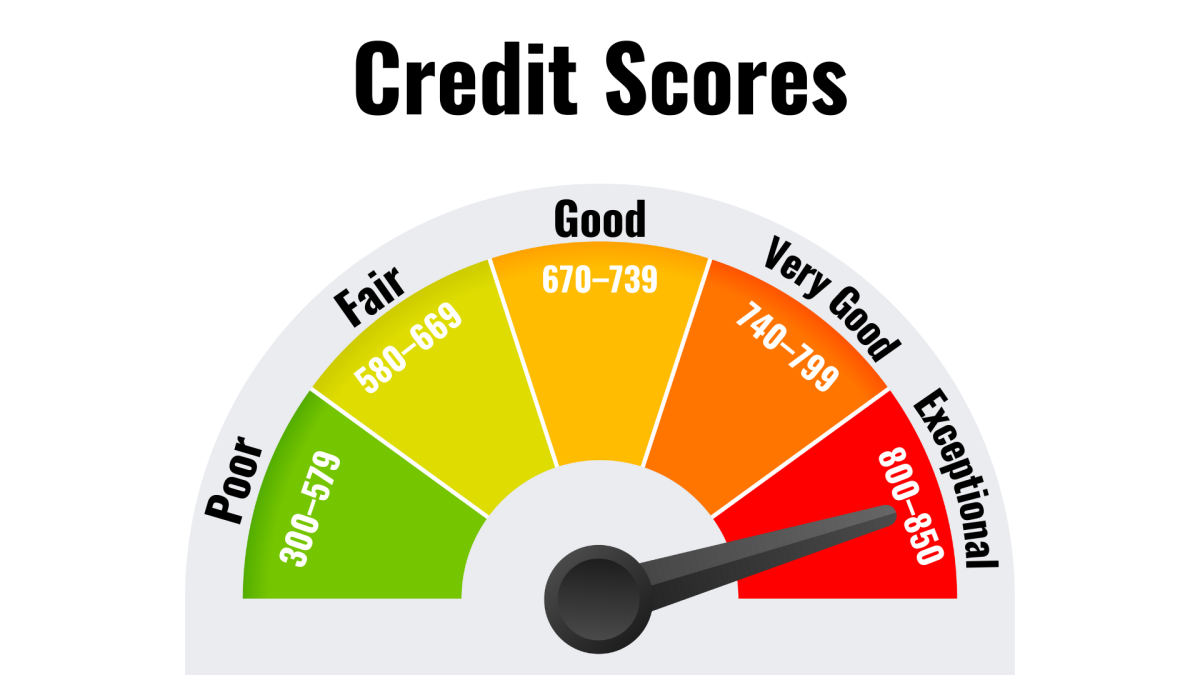
Building credit in Canada typically takes at least six months of credit activity before you’ll have a scoreable credit file. To build a “good” credit score (generally 660 or higher), expect to spend one to two years demonstrating responsible credit use — making on-time payments, keeping utilization low, and maintaining accounts in good standing. Negative information can stay on your report for six to seven years, so protecting your credit history matters for the long term.
The myth that carrying balance build credit score has cost Canadian consumers countless dollars in unnecessary interest payments. Now you know the truth: using your credit card responsibly and paying it off in full each month is the proven path to building excellent credit. You’ll save money on interest, reduce financial stress, and build a credit score that opens doors to better mortgage rates, loan terms, and financial opportunities. Explore more money-saving strategies and financial tips here on Getwealthy to keep building your financial future.
Get free Canadian money tips every week
TFSA updates, CRA changes, mortgage strategies — straight to your inbox every Thursday. No spam, unsubscribe anytime.
Certified Financial Planner (CFP) and Chartered Investment Manager (CIM) with over 17 years of experience in Canadian personal finance. Spent 10+ years at one of Canada's Big Five banks, the last 7 focused exclusively on high-net-worth clients. Every guide is written with the same depth I bring to real client work — Canada-specific, CRA-verified, and always free.
Disclaimer: This article is for informational and educational purposes only and does not constitute financial, tax, or legal advice. Always consult a qualified financial advisor or tax professional for personalized advice.