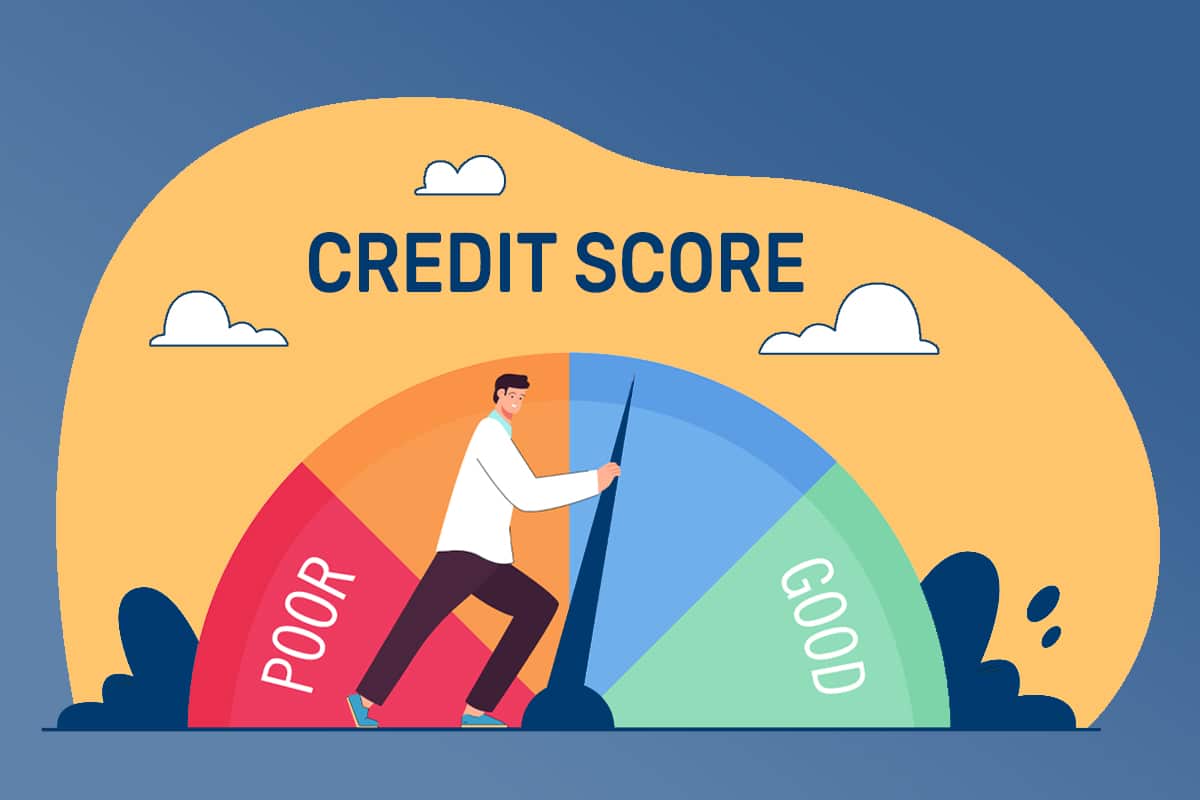
If you want to improve credit rating Canada, you’re not alone—The average Canadian credit score
is 672 — technically ‘good,’ but millions of Canadians are still paying higher rates than they need to which can mean higher interest rates, rejected applications, and thousands of dollars lost over time. The good news? Your credit score isn’t permanent. In this guide, you’ll learn exactly what affects your credit rating, how the Canadian credit bureaus (Equifax and TransUnion) calculate your score, and the proven steps to raise your credit score quickly and sustainably. Whether you’re rebuilding after financial setbacks or simply want to qualify for better rates, this is your roadmap.
What Is a Good Credit Score in Canada and Why Does It Matter?
Before you can improve your credit rating, you need to understand how credit scores work in Canada. Both Equifax and TransUnion use a scoring range from 300 to 900. Where you fall on this scale determines everything from mortgage approval to the interest rate on your next car loan.
Canadian Credit Score Ranges Explained
Here’s how lenders typically view your score:
- 760+ (Excellent): You’ll qualify for the best rates and highest credit limits. Lenders see you as very low risk.
- 720-759 (Very Good): You’ll still get competitive rates and easy approvals for most products.
- 660-724 (Good): Most mainstream lenders will approve you, though not always at the best rates.
- 600-659 (Fair): You may face higher interest rates or need to use alternative lenders.
- 300-599 (Poor): You’ll likely be declined for traditional credit or pay significantly higher rates.
So, what is a good credit score in Canada? Generally, a score of 660 or higher will get you approved for most credit products, but aiming for 720+ opens the door to premium rewards credit cards, lower mortgage rates, and better insurance premiums.
Why Your Credit Score Affects More Than Just Loans
Your credit score impacts areas you might not expect. Many landlords in cities like Toronto and Vancouver check credit before approving rental applications. Some employers review credit for positions involving financial responsibility. Even your car insurance premiums can be influenced by your credit history in certain provinces. This is why taking steps to raise your credit score fast in Canada pays off in multiple ways.
Real Example — How Much Your Score Costs You:
$500,000 mortgage, 25-year amortization:
Score 760+ → Rate: ~4.79%
Monthly payment: ~$2,850
Total interest: ~$355,000
Score 620 → Rate: ~6.5%+
Monthly payment: ~$3,370
Total interest: ~$511,000
Difference: $520/month = $156,000
over the life of your mortgage 🎯
A better credit score is worth
hundreds of thousands of dollars.
How Do Equifax and TransUnion Calculate Your Credit Score?
Understanding what goes into your score helps you prioritize your efforts. Both Canadian credit bureaus use similar factors, though their exact algorithms differ slightly. Here’s the breakdown of what matters most:
Payment History (35% of Your Score)
This is the single biggest factor. Every time you pay a bill late—whether it’s a credit card, phone bill, or loan payment—it can stay on your credit report for up to six years. Even one payment that’s 30+ days late can drop your score by 50-100 points. Setting up automatic payments is one of the easiest Canadian credit bureau tips you can follow.
💡 Pro Tip: Even a single payment that’s 30 days late can drop your score by 50-100 points. Set up
automatic minimum payments on ALL accounts today — you can always pay more manually. This single
habit protects your most important credit factor.
Credit Utilization (30% of Your Score)
This measures how much of your available credit you’re using. If you have a credit card with a $5,000 limit and carry a $4,000 balance, your utilization is 80%—which signals risk to lenders. Experts recommend keeping utilization below 30%, and below 10% for the best scores. This is why paying down balances is one of the fastest ways to raise credit score Canada fast.
💡 Pro Tip: Ask your credit card issuer to increase your credit limit (without spending more). A higher
limit instantly lowers your utilization ratio. Most major Canadian banks allow this online in minutes —
it counts as a soft inquiry only.
Credit History Length (15% of Your Score)
The longer your accounts have been open, the better. This is why closing old credit cards—even ones you don’t use—can actually hurt your score. If your oldest card has been open for 10 years, that history is valuable. Keep it active with a small recurring charge and pay it off each month.
Credit Mix (10% of Your Score)
Having different types of credit (credit cards, a car loan, a line of credit) shows lenders you can manage various accounts. However, don’t open new accounts just to diversify—only take on credit you actually need.
New Credit Inquiries (10% of Your Score)
Every time you apply for credit, a “hard inquiry” appears on your report. Too many inquiries in a short period can lower your score and signal desperation to lenders. When shopping for a mortgage, try to submit all applications within a 14-day window—the bureaus will typically count this as a single inquiry.
Equifax vs. TransUnion: How Canadian Credit Bureaus Compare
Canada has two main credit bureaus, and your score may differ between them. Here’s what you need to know about each:
| Feature | Equifax Canada | TransUnion Canada |
|---|---|---|
| Score Range | 300-900 | 300-900 |
| Free Credit Report | Yes (mail or online) | Yes (mail or online) |
| Free Credit Score | No (subscription required) | No (subscription required) |
| Free Score via Third Party | Borrowell (free) | Credit Karma (free) |
| Report Disputes | Online, mail, or phone | Online, mail, or phone |
| Fraud Alert Option | Yes (free) | Yes (free) |
💡 Pro Tip: A 10-30 point difference between your Equifax and TransUnion scores is completely normal.
If the gap is 40+ points, check both reports for errors — a negative item may only be appearing on one
bureau’s file.
Many Canadians have different scores with each bureau because not all lenders report to both. For example, some credit card issuers only report to Equifax. This is why you should check both reports at least once per year—it’s free when you request by mail or through services like Borrowell (Equifax) and Credit Karma (TransUnion). For more details on managing your financial accounts, check out our guide on the best Canadian bank accounts.
How to Improve Credit Rating Canada: Step-by-Step Guide
Ready to take action? Here’s exactly how to boost your credit score using strategies that work in Canada. These steps are listed in order of impact—start at the top for the fastest results.
Step 1: Check Your Credit Reports for Errors
Before anything else, get your free credit reports from both Equifax and TransUnion. Studies show that approximately 1 in 4 credit reports contain errors that could affect your score. Look for:
- Accounts you didn’t open (possible identity theft)
- Incorrect late payments or balances
- Closed accounts reported as open
- Duplicate accounts or debts
If you find errors, dispute them directly with the bureau online. By law, they must investigate within 30 days. Successfully removing a false collection account or incorrect late payment can boost your score significantly.
💡 Pro Tip: Check BOTH Equifax AND TransUnion — errors often appear on only one bureau. Request your free reports at equifax.ca and transunion.ca, or use Borrowell and Credit Karma for free ongoing
monitoring.
Step 2: Pay Down High Credit Card Balances
If you want to know how to raise credit score Canada fast, focus on credit utilization. Paying down your highest-utilization cards first gives you the biggest score boost. For example, if you have two cards:
- Card A: $3,000 balance / $4,000 limit (75% utilization)
- Card B: $500 balance / $5,000 limit (10% utilization)
Paying down Card A to $1,200 (30% utilization) will have a much bigger impact than paying off Card B entirely. Once you get all cards below 30%, aim for below 10% for optimal results.
Step 3: Set Up Automatic Payments for Everything
Since payment history is 35% of your score, you cannot afford to miss payments. Set up automatic minimum payments on all credit accounts through your bank. This ensures you’re never late, even if you forget. You can always pay extra manually. Banks like TD, RBC, Scotiabank, CIBC, and BMO all offer free automatic payment options through their online banking.
Step 4: Keep Old Accounts Open and Active
Don’t close old credit cards, even if you’ve paid them off. The account age helps your score, and the available credit helps your utilization ratio. If an issuer threatens to close the account due to inactivity, use it for a small recurring subscription (like streaming services) and set up automatic payment.
Step 5: Consider a Secured Credit Card for Rebuilding
If your credit is poor and you can’t get approved for a regular card, a secured credit card is your best tool. You provide a deposit (typically $200-$500), which becomes your credit limit. Use the card for small purchases, pay the balance in full each month, and the positive payment history gets reported to the bureaus. After 12-18 months of responsible use, you can often graduate to an unsecured card.
💡 Pro Tip: The best secured cards for Canadians rebuilding credit are the Home Trust Secured Visa and
the Capital One Secured Mastercard. Both report to Equifax and TransUnion and have low annual fees.
Common Mistakes That Hurt Your Credit Score in Canada
Knowing what to avoid is just as important as knowing what to do. Here are the most common credit-killing mistakes Canadians make:
Closing Credit Cards After Paying Them Off
It feels good to cut up a paid-off card, but closing it reduces your available credit and shortens your credit history. Both hurt your score. Instead, keep the card open and use it occasionally.
Only Making Minimum Payments
While minimum payments keep you current, carrying high balances month after month keeps your utilization high. Interest charges also accumulate—the average Canadian credit card charges around 20% APR, which can trap you in a cycle of debt.
Ignoring Collections Accounts
Some people assume old collections will just disappear. They don’t—negative items stay on your credit report for six years in most provinces. If you have collections, consider negotiating a “pay for delete” agreement where the creditor removes the item after payment. Get any agreement in writing before paying.
Applying for Too Much Credit at Once
Every credit application triggers a hard inquiry. Submitting multiple applications across weeks can drop your score by 30+ points and signal financial distress. If you need to compare rates, do so within a two-week window when possible.
Not Using Credit at All
Having no credit history is almost as bad as having poor credit. Lenders need to see responsible borrowing behaviour. If you’ve always paid cash for everything, consider a credit card for regular purchases, paying the balance monthly. For strategies on building savings while managing credit, see our guide on emergency fund basics.
Key Takeaways
- A credit score of 660+ qualifies you for most Canadian credit products, but 720+ gets you the best rates.
- Payment history (35%) and credit utilization (30%) together make up nearly two-thirds of your score—focus here first.
- Check your free credit reports from both Equifax and TransUnion annually and dispute any errors.
- Keep credit utilization below 30% on all cards; below 10% is optimal for score improvements.
- Never close old credit cards—the account history and available credit help your score.
- Use services like Borrowell (Equifax) and Credit Karma (TransUnion) to monitor your score for free.
Frequently Asked Questions
What is a good credit score in Canada?
A good credit score in Canada is generally 660 or higher on the 300-900 scale used by Equifax and TransUnion. Scores of 720-799 are considered “very good” and qualify you for competitive interest rates. Scores above 800 are “excellent” and give you access to the best financial products and lowest rates available.
How long does it take to improve your credit score in Canada?
Most people see noticeable improvements within 3-6 months of taking consistent action. Reducing credit utilization can boost your score within 30-60 days when reported to the bureaus. However, recovering from serious issues like bankruptcy or consumer proposals takes 6-7 years, as these stay on your credit report for that duration.
Can paying off debt raise your credit score quickly in Canada?
Yes, paying off credit card debt can raise your score quickly—often within one to two billing cycles. This is because reducing your balance lowers your credit utilization ratio, which accounts for 30% of your score. Paying off a $4,000 balance on a $5,000 limit card (80% utilization) down to $500 (10% utilization) could boost your score by 50+ points in just a few weeks.
Learning to improve credit rating Canada is one of the smartest financial moves you can make. A higher score unlocks lower mortgage rates, better credit card rewards, and easier approvals for rentals and loans—potentially saving you thousands of dollars. Start by checking your credit reports today, focus on paying down balances and making on-time payments, and watch your score climb. For more tips on managing your money wisely, explore our other guides here on Getwealthy.
Get free Canadian money tips every week
TFSA updates, CRA changes, mortgage strategies — straight to your inbox every Thursday. No spam, unsubscribe anytime.
Certified Financial Planner (CFP) and Chartered Investment Manager (CIM) with over 17 years of experience in Canadian personal finance. Spent 10+ years at one of Canada's Big Five banks, the last 7 focused exclusively on high-net-worth clients. Every guide is written with the same depth I bring to real client work — Canada-specific, CRA-verified, and always free.
Disclaimer: This article is for informational and educational purposes only and does not constitute financial, tax, or legal advice. Always consult a qualified financial advisor or tax professional for personalized advice.