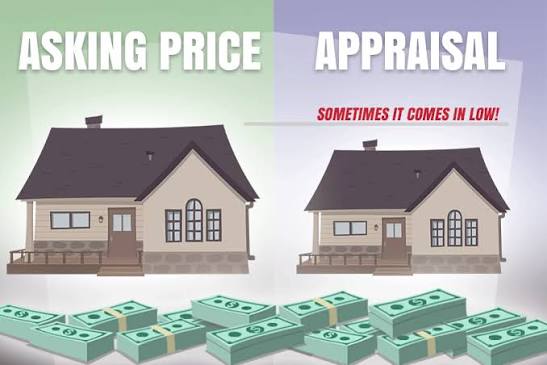
When a home appraisal comes in low in Canada, buyers often panic. But a low appraisal can also protect you from overpaying in a soft market. In October 2026, CREA expects the national average home price to finish the year almost flat, at about $681,700, and prices are falling in parts of Ontario and B.C. In a market like that, the price a buyer agrees to can drift above what an appraiser thinks the home is worth. This guide explains what happens when an appraisal falls short, what’s at stake for buyers and sellers, and the strategies that can save a deal or help you walk away wisely.
Quick Answer
- A low appraisal means your lender won’t lend against the full purchase price. You’ll need to cover the gap with cash, renegotiate, try another lender, or, if you kept your financing condition, walk away.
- If you waived your financing condition, you are still legally bound to close. If you can’t, you can lose your deposit and be sued for the seller’s losses.
- Both buyers and sellers can challenge a low appraisal with better comparable sales and proof of upgrades, but success isn’t guaranteed.
- Your best protection is a financing condition long enough to get the appraisal done, and a realistic offer based on recent sales.
Why Low Appraisals Happen More Often in 2026
The Canadian housing market is soft in much of the country. In its October 2026 forecast, the Canadian Real Estate Association (CREA) cut its outlook for the third time this year. It now expects:
| CREA forecast | 2026 | 2027 |
|---|---|---|
| National home sales | 444,530 (down 5.2%) | 464,235 (up 4.4%) |
| National average price | $681,681 (up 0.2%) | $689,909 (up 1.2%) |
The national average sale price in September 2026 was $666,538, down 1.6% from a year earlier. Economists expect continued weakness in B.C. and Ontario, where supply is loose relative to demand.
That creates conditions for appraisal gaps. Appraisers base their value on recent comparable sales. When prices are flat or falling, or when a buyer pays more than recent sales support, the agreed price can end up above the appraised value. The Bank of Canada’s policy rate has been 2.25% since October 2025, but fixed mortgage rates rose this fall, and lenders remain careful about property values.
Why the stakes are high in Ontario
In Ontario and other provinces, a firm agreement of purchase and sale is a binding contract. If you sign a firm offer, or waive your financing condition, and the appraisal comes in low, you can’t walk away just because your lender won’t lend enough.
If a buyer fails to close, the seller can usually keep the deposit and sue for their losses. Those losses can include the difference between your price and the price the home eventually sells for, plus carrying costs and legal fees. Courts usually apply the deposit toward that total, but the rest can still be large. Understanding how real estate deposits work in Canada is essential before you make an offer.
What Happens When an Appraisal Comes in Low: Step by Step
The process depends on whether your offer included a financing condition.
If you have a financing condition
A financing condition gives you a way out if you can’t get the mortgage you need.
- You apply for your mortgage. The lender orders an appraisal to confirm the property supports the loan. For some insured mortgages, the lender or insurer may use an automated valuation instead of a full appraisal.
- The appraisal comes in below the price. Lenders base the loan on the lower of the purchase price and the appraised value.
- You choose a response. You can bring more cash, renegotiate with the seller, try another lender or, if nothing works, use the financing condition to end the deal and get your deposit back.
- Watch the deadline. Financing conditions usually last about five to ten business days. If the deadline passes without you acting, the condition is gone and the deal becomes firm.
Here’s how the numbers work on a $750,000 purchase that appraises at $700,000:
| 20% down payment | 10% down payment | |
|---|---|---|
| Mortgage planned (on $750,000) | $600,000 | $675,000 |
| Mortgage approved (on $700,000) | $560,000 | $630,000 |
| Extra cash needed to close | $40,000 | $45,000 |
| Total cash needed at closing (before closing costs) | $190,000 | $120,000 |
With 10% down, the mortgage default insurance premium is also based on the smaller loan.
If you waived the financing condition
In competitive markets, some buyers waive conditions to make their offers stronger. That’s when a low appraisal becomes dangerous:
- You are legally obligated to close. The seller is not responsible for your lender’s decision.
- Your options narrow. You need to find the cash from savings, family or another lender, or persuade the seller to lower the price even though they don’t have to.
- The consequences can be severe. Say you paid a $37,500 deposit on a $750,000 home, can’t close, and the seller later sells for $650,000. The seller’s loss is at least $100,000 plus carrying and legal costs. They can keep your deposit and sue you for the rest.
Before you’re in this position, understand the full home buying process in Canada, including when and why to keep conditions in place.
What Buyers Can Do to Save the Deal
The right strategy depends on your finances, the size of the gap and how motivated the seller is.
Option 1: Cover the gap with cash
If you have the money, bring more to closing. The gap is the difference between the price and the appraised value:
| Gap | Purchase price | Appraised value | Extra cash (with 20% down) |
|---|---|---|---|
| 2% | $700,000 | $686,000 | $11,200 |
| 5% | $700,000 | $665,000 | $28,000 |
| 10% | $700,000 | $630,000 | $56,000 |
With 20% down, you pay the gap minus the 80% the lender would have lent on it: for example, a $14,000 gap means $11,200 more cash. If you planned to put down exactly 20% and want to keep an uninsured mortgage, you may need the full gap.
If you are a first-time buyer, your First Home Savings Account (FHSA) can hold up to $40,000 over your lifetime, and the RRSP Home Buyers’ Plan lets you withdraw up to $60,000. Both help with a down payment, but they rarely cover a large gap on their own, and funds can take time to withdraw.
Be cautious about high-interest debt to fill the gap. If you’re borrowing on a credit card to close on a home your lender says isn’t worth the price, you may be compounding a mistake. Sometimes renegotiating hard, or walking away while you still have a condition, is wiser.
Option 2: Renegotiate the price
If the seller is motivated, you may be able to bring the price down toward the appraised value:
- Share the appraisal. Showing the report proves the problem is real.
- Propose a specific number. Offering to split the gap often works. On a $50,000 gap, you might offer $25,000 more cash if the seller drops the price by $25,000.
- Point out the alternative. If the deal falls through, the next buyer’s lender may reach a similar value.
- Keep to your timeline. Make sure any agreement is signed before your financing condition expires.
Pro Tip: If you’re running out of time, ask the seller to sign an amendment extending your financing condition by a few days while you negotiate or try another lender. Never let the condition lapse while a solution is still uncertain.
Option 3: Ask for an appraisal review
Appraisals aren’t perfect. If you believe the appraiser used poor comparables, missed renovations or misread the local market, ask your lender or broker whether they will review the report or order a second appraisal. Support your request with:
- Recent comparable sales the appraiser didn’t use, ideally within the past 90 days and close to the property
- Proof of upgrades not reflected in the report, with permits and receipts
- Features that add value, such as a legal secondary suite, parking or a new furnace or roof
Lenders don’t have to order a second appraisal, and a new appraiser may reach the same value. This works best when you can point to specific, documented errors.
Option 4: Try a different lender
Different lenders use different appraisers and valuation methods. If time allows, a mortgage broker may be able to place your mortgage with a lender that values the home differently. This works best when:
- You still have time before your financing condition expires
- The gap is small, roughly 5% or less
- Your conditions are still in place
Switching lenders means a new application and another credit check, so move quickly.
What Sellers Can Do About a Low Appraisal
A low appraisal threatens your sale, but you have some options.
Understand who the appraisal is for
The buyer’s lender orders the appraisal to protect its loan. You usually can’t contact the appraiser directly, but you can give the buyer and their lender information that supports a higher value.
Provide comparable sales
Work with your agent to gather recent sales that support your price. The best comparables are:
- Sold within the past 60 to 90 days
- Close by, ideally within about a kilometre
- Similar in size, age, condition and features
- Sold on the open market, not as estate sales, power-of-sale or family transfers
Be specific. “The appraisal relied on a sale from eight months ago, 2.3 km away, but these three sales from the last six weeks within 400 metres were about 7% higher” is a concrete argument.
Document improvements and features
Appraisers can only value what they know about. Provide receipts, permits and photos for:
- A finished basement, with permits
- A new roof, furnace, air conditioning or windows
- A legal secondary suite and its rental income
- High-end finishes that a quick visit could miss
Consider your alternatives
If the challenge fails, you can accept a lower price, let the deal fall through and relist, or, in some cases, offer a vendor take-back mortgage to bridge part of the gap.
With CREA forecasting nearly flat national prices in 2026 and price pressure in Ontario and B.C., holding out isn’t guaranteed to work. Relisting takes time, adds carrying costs and may bring only lower offers. Accepting a negotiated reduction is sometimes the better outcome, especially if you need the sale to close a purchase of your own.
How to Protect Yourself Before It Happens
Prevention beats repair, whether you’re buying or selling.
For buyers
- Keep your financing condition. In a soft market, a financing condition isn’t weakness; it’s prudence. It gives you leverage to renegotiate and an exit if the numbers don’t work.
- Don’t dramatically overbid. If you bid 15% over asking when recent sales support only small premiums, expect an appraisal gap.
- If you must go firm, get a mortgage pre-approval with a rate hold, ask a broker how the lender is likely to value the property, keep cash reserves of 5% to 10% of the price beyond your down payment, and have a lawyer explain what happens if you can’t close.
- Consider an independent appraisal before you offer. It costs a few hundred dollars and gives you useful information, but your lender may not accept it and may still order its own.
For sellers
- Price realistically. Overpricing and then accepting a high offer from an eager buyer often backfires at the appraisal stage.
- Prepare an appraisal package. List improvements with dates, costs and permits, recent comparable sales, unique features or rental income, and a survey and floor plan. Give it to your agent so it can reach the buyer’s lender.
Key Takeaways
- A low appraisal means your lender lends against the lower appraised value, not your purchase price, so you need more cash or a lower price.
- CREA expects the 2026 national average price to be about $681,700, up just 0.2%, with weaker prices in Ontario and B.C., which makes appraisal gaps more likely.
- Buyers who waive their financing condition can lose their deposit and be sued for the seller’s losses if they can’t close.
- Buyers can cover the gap, renegotiate, ask for an appraisal review or try another lender, ideally before the financing condition expires.
- Sellers can challenge a low value with recent comparable sales and documented improvements, but may need to accept a lower price.
- The strongest protection is a financing condition and an offer grounded in recent sales.
Frequently Asked Questions
What happens if a home appraisal comes in low in Canada?
Your lender bases the mortgage on the lower appraised value, not your purchase price. You need to make up the difference with cash, renegotiate with the seller, try another lender, or use your financing condition to end the deal. If you waived that condition, you are still required to close.
Can you negotiate the house price after a low appraisal?
Yes. Share the appraisal with the seller and propose a specific solution, such as splitting the gap. Sellers in a flat or falling market often have reasons to negotiate rather than relist. Make sure any price change is signed as an amendment before your condition deadline.
How can sellers dispute a low home appraisal in Canada?
Give the buyer’s lender evidence supporting a higher value: recent nearby comparable sales, permits and receipts for improvements, and details of features like a legal secondary suite. Ask the buyer to request a review through their lender or broker. Factual errors and missed comparables make the strongest case.
Do I lose my deposit if the appraisal comes in low?
Not if you still have a financing condition and use it properly before it expires; your deposit should be returned. If your deal is firm and you can’t close, you can lose your deposit and may owe the seller more. Talk to a real estate lawyer right away.
Conclusion
A low appraisal is stressful for buyers and sellers, but it doesn’t have to end a deal. Buyers can bridge the gap with cash, renegotiate, challenge the appraisal or try another lender, especially when a financing condition is still in place. Sellers can supply better evidence or accept a realistic price in a soft market. Whichever side you’re on, the best protection comes before the offer: price based on real sales, and keep conditions that let you walk away if the numbers don’t work. For more guidance on Canadian real estate decisions, explore our other guides at Getwealthy.
Official sources: CREA: Quarterly housing market forecast; FCAC: Buying a home; Government of Canada: Home Buyers’ Plan; CRA: First Home Savings Account.
Get plain-English money tips for Canadians
Join the GetWealthy newsletter and get the free Canadian Money Planner 2026 Edition (PDF). No spam, unsubscribe anytime.
Your one-stop guide to everything Canadians need to know about money. Written by the GetWealthy editorial team, based on official CRA, FINTRAC and government sources and reviewed every year.
Turn what you just read into a plan
The Canadian Money Planner keeps your budget, savings, debt and goals in one place. It's free.
Get the free 2026 Planner
Disclaimer: This article is for informational and educational purposes only and does not constitute financial, tax, or legal advice. Real estate law varies by province, and the consequences of failing to close depend on your contract. Always consult a qualified real estate lawyer, mortgage professional or financial advisor for personalized advice.