Canada’s two most expensive housing markets cooled further in September 2026. In Metro Vancouver, sales were 25% below the 10-year average while listings piled up, pushing the market into territory that has historically put downward pressure on prices. In the Greater Toronto Area, sales and prices both fell from a year earlier. For first-time buyers, that shift means more choice, more time and more room to negotiate. This guide looks at the latest board data and how to use it without overpaying or overstretching.
Quick Answer
- Metro Vancouver’s September 2026 sales-to-active-listings ratio was 10.9%, below the 12% level that has historically signalled downward pressure on prices. The composite benchmark price was $1,075,900, down 5.5% from a year earlier.
- In the GTA, September 2026 sales fell 9%, the MLS Home Price Index composite was down 4.7%, and the average price was $1,006,409, down 5.1%.
- More listings and fewer buyers give first-time buyers more leverage on price, conditions and closing dates.
- Keep your financing, inspection and appraisal protections; a slower market makes them easier to get. And budget for higher variable rates after the Bank of Canada’s October 28 increase.
Vancouver’s September Numbers
According to Greater Vancouver Realtors’ September 2026 report, residential sales in Metro Vancouver totalled 1,717, down 8.4% from September 2025 and 25% below the 10-year seasonal average. Most of the decline came from apartments; detached and attached sales were slightly above last year. Active listings reached 16,394, down 4% from a year earlier but 24.3% above the 10-year average.
The key figure is the sales-to-active-listings ratio, which shows how quickly homes are selling compared with how many are for sale:
| Property type | Sales-to-active-listings ratio | Benchmark price | Change from a year earlier |
|---|---|---|---|
| All residential | 10.9% | $1,075,900 | −5.5% |
| Detached | 9.7% | $1,784,700 | −7.3% |
| Attached (townhouses) | 12.2% | $1,016,700 | −4.7% |
| Apartments | 11.4% | $682,500 | −6.2% |
Greater Vancouver Realtors notes that a ratio below 12% for a sustained period has historically led to downward pressure on prices, while a ratio above 20% has led to upward pressure. Between the two is generally considered balanced. Detached homes and apartments were both below 12% in September, and townhouses sat just above it.
Toronto Prices Ease
According to the Toronto Regional Real Estate Board’s September 2026 Market Watch, GTA home sales were 5,040, down 9% from a year earlier. New listings fell 14.4% to about 16,500.
Prices continued to soften. The MLS Home Price Index composite benchmark was down 4.7% year over year, and the average selling price was $1,006,409, down 5.1% from $1,060,036.
TRREB’s report doesn’t label the GTA a buyers’ market, and new listings fell faster than sales, so supply isn’t growing the way it is in Vancouver. Still, lower prices and fewer competing buyers give first-time buyers more room than they had a few years ago. For earlier context, see our analysis of the 2026 GTA buyers’ market.
Vancouver vs Toronto at a glance
| September 2026 | Metro Vancouver | Greater Toronto Area |
|---|---|---|
| Sales | 1,717 | 5,040 |
| Change in sales (year over year) | −8.4% | −9% |
| Listings trend | Active listings 24.3% above 10-year average | New listings down 14.4% |
| Benchmark price change | −5.5% | −4.7% |
| Market signal | Ratio signals downward price pressure | Softening, not labelled a buyers’ market |
Which Property Types Favour Buyers?
In Vancouver, detached homes had the lowest ratio at 9.7% and the steepest price decline, so detached buyers likely have the most room to negotiate. Townhouses, at 12.2%, sat near the balanced range, which means well-priced units can still sell quickly. Apartments were in between at 11.4%. If you’re flexible on property type, compare how long similar homes in each category have been listed before deciding where to focus.
For condo buyers in both cities, extra supply is useful, but check the building as carefully as the unit. Review the strata or condo corporation’s reserve fund, recent special assessments and planned repairs. A low price can hide high future costs.
Where Buyers Gain Leverage
When homes sit longer and fewer buyers are competing, sellers become more flexible.
| Lever | What to ask for | Why it works now |
|---|---|---|
| Price | An offer based on recent comparable sales | More listings and price reductions give you evidence |
| Conditions | Financing, inspection and condo document review | Sellers have fewer competing offers |
| Closing date | A date that lines up with your lease ending | Avoids paying rent and a mortgage at the same time |
| Inclusions and repairs | Appliances, window coverings or a price credit for repairs | Sellers want to avoid relisting |
Price
Look at how long a home has been listed and whether the price has already been reduced. Ask your agent for recent sales of similar homes nearby, not just list prices. An offer based on comparable sales is easier to justify than an arbitrary discount.
Conditions
In hot markets, buyers often waived conditions to compete. In a slower market, you can usually keep them. Include conditions for financing, a home inspection and, for condos, a review of strata or condo documents. In B.C., also remember the three-business-day home buyer rescission period on most residential purchases, which lets you cancel for a fee of 0.25% of the price.
Closing date
Sellers in a slow market may accept a closing date that suits you, such as the end of your lease. That can save a month or two of paying rent and a mortgage at once.
Inclusions and repairs
You can ask for appliances, window coverings or repairs found during inspection. Some sellers will reduce the price instead of fixing issues.
Pro Tip: In a buyers’ market, your first offer doesn’t have to be your final offer. Leave room to negotiate, but don’t lowball so far that the seller stops talking. Anchoring your number to two or three recent comparable sales keeps the conversation going.
Prepare Before You Make an Offer
Leverage only helps if you’re ready to act.
Get pre-approved
A mortgage pre-approval shows sellers you’re serious and tells you your real budget. You’ll need to qualify at the stress test rate: the greater of your contract rate plus 2% or 5.25%. After the Bank of Canada raised its policy rate to 2.50% on October 28, 2026, prime rose to 4.70%, so variable-rate buyers face slightly higher payments than in the summer. A pre-approval with a rate hold protects you if fixed rates rise before you buy.
Know what it costs
Here’s a rough example for a Vancouver apartment at the September benchmark price, with the minimum down payment:
| Item | Amount |
|---|---|
| Purchase price | $682,500 |
| Minimum down payment (5% of first $500,000 + 10% of the rest) | $43,250 (6.3%) |
| Mortgage before insurance | $639,250 |
| CMHC insurance premium (4.00%) | About $25,570, added to the mortgage |
| Monthly payment at 4.9%, 25-year amortization | About $3,830 |
Illustration only, before property tax, strata fees and insurance. First-time buyers with an insured mortgage can choose a 30-year amortization, which lowers the payment but adds a premium surcharge and more interest.
Use first-time buyer programs
- First Home Savings Account (FHSA): save up to $8,000 a year, with a $40,000 lifetime limit, a tax deduction going in and tax-free withdrawals for a qualifying first home. Our guide to FHSA vs TFSA for first-time buyers explains how to combine them.
- RRSP Home Buyers’ Plan: withdraw up to $60,000 from your RRSP for a first home.
- First-time home buyers’ tax credit: a $10,000 credit amount, worth up to $1,500 in federal tax savings.
- Land transfer tax relief: B.C. and Ontario both offer first-time buyer exemptions or refunds, and Toronto has its own municipal rebate.
Budget for closing costs
Land transfer tax, legal fees, inspection and adjustments can add thousands of dollars on closing day. Our closing costs guide for first-time buyers breaks them down by province. The CMHC home-buying guide also walks through each step.
Watch the appraisal
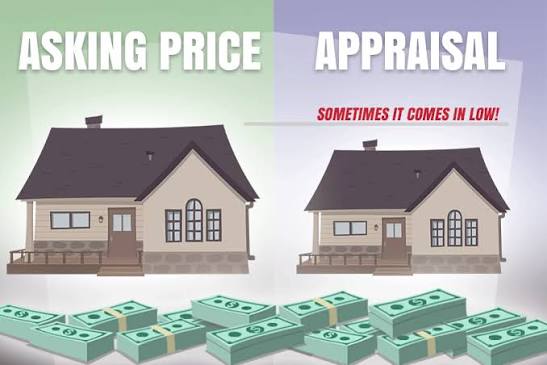
When prices are falling, a lender’s appraisal can come in below your purchase price. If it does, you’d need to cover the gap with more cash. Our guide to a low home appraisal explains your options. Keeping a financing condition in your offer protects you.
Risks to Keep in Mind
A buyers’ market is an opportunity, not a guarantee of a bargain.
- Prices can keep falling. Your home’s value could dip further in the short term. Plan to stay at least five years.
- Your job matters more than the market. Statistics Canada reported that unemployment rose to 6.5% in September, so make sure your income is stable before taking on a mortgage.
- Rates can rise. The Bank of Canada raised rates in October, and its next decision is December 9. Make sure your budget can handle a higher payment at renewal or, if you’re variable, sooner.
- Don’t stretch your budget. A lower price doesn’t help if the monthly costs leave no room for an emergency fund.
- Local markets differ. Conditions vary by neighbourhood and property type, so look at local data, not just regional averages.
Key Takeaways
- Metro Vancouver’s September 2026 sales-to-active-listings ratio of 10.9% is below the 12% level linked to downward price pressure, and its composite benchmark fell 5.5% to $1,075,900.
- GTA sales fell 9% and the HPI composite dropped 4.7% year over year in September 2026, with an average price of $1,006,409.
- Vancouver detached homes (9.7% ratio, prices down 7.3%) offer buyers the most leverage.
- First-time buyers can negotiate on price, conditions, closing dates and repairs.
- Get pre-approved, use your FHSA and Home Buyers’ Plan, and budget for closing costs before making an offer.
- Keep financing and inspection conditions, watch for low appraisals, and buy only if your income is stable and you plan to stay at least five years.
Frequently Asked Questions
Is Vancouver a buyers’ market right now?
Based on September 2026 data, Metro Vancouver’s overall sales-to-active-listings ratio was 10.9%, below the 12% threshold that Greater Vancouver Realtors says has historically led to downward pressure on prices. Detached homes and apartments were both below 12%.
Is Toronto a buyers’ market?
TRREB didn’t label it one in its September 2026 report, but sales and prices both fell from a year earlier. Buyers face less competition than in recent years, though new listings also dropped.
Should I wait for prices to drop further?
Nobody can time the market reliably. If you’ve found a home you can afford, your income is stable and you plan to stay for years, waiting for a lower price is a gamble. Focus on paying a fair price based on comparable sales.
Can I still use conditions in my offer?
Yes. In a slower market, sellers are more likely to accept financing, inspection and document review conditions. Keep them to protect yourself.
How does the October rate increase affect buyers?
The Bank of Canada raised its policy rate to 2.50% on October 28, 2026, and prime rose to 4.70%. That raises payments on new variable-rate mortgages and can nudge qualifying amounts down slightly. Fixed rates follow bond yields instead, so compare both and get a rate hold.
Conclusion
The September 2026 numbers show a clear shift in Vancouver and continued softening in Toronto. For first-time buyers, that means more homes to choose from, less pressure to rush, and room to negotiate on price and terms. Use that leverage carefully: get pre-approved, keep your conditions, budget for closing costs and make sure the monthly payments fit your plan. The free planner below can help you set a realistic housing budget.
Canadian Money Planner 2026 Edition (free) Budget, savings, debt and goals in one place. Get the free planner.
Official sources: Greater Vancouver Realtors: September 2026 market report; TRREB: September 2026 Market Watch; Bank of Canada: Policy interest rate; CRA: First Home Savings Account.
Get plain-English money tips for Canadians
Join the GetWealthy newsletter and get the free Canadian Money Planner 2026 Edition (PDF). No spam, unsubscribe anytime.
Your one-stop guide to everything Canadians need to know about money. Written by the GetWealthy editorial team, based on official CRA, FINTRAC and government sources and reviewed every year.
Turn what you just read into a plan
The Canadian Money Planner keeps your budget, savings, debt and goals in one place. It's free.
Get the free 2026 Planner
Disclaimer: This article is for informational and educational purposes only and does not constitute financial, tax, or legal advice. Always consult a qualified financial advisor or tax professional for personalized advice.