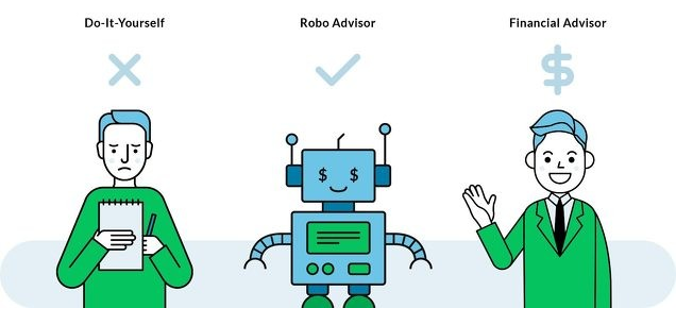
Robo-advisors vs self-directed brokerage in Canada is mostly a question of how much you want to pay for someone else to press the buttons. Both can hold the same low-cost ETFs, both are usually protected by the same investor protection fund, and both let you open a TFSA, RRSP or FHSA online in minutes. The difference is the yearly fee and the work you take on. This guide compares the real costs in 2026, shows what the fee buys, and helps you decide whether you should do it yourself.
Quick Answer
- A robo-advisor picks, buys and rebalances an ETF portfolio for you. Wealthsimple’s managed investing fee is 0.5% a year under $100,000 and 0.4% from $100,000, plus the costs of the ETFs it uses.
- A self-directed account with $0 commissions and one all-in-one ETF costs about 0.18% to 0.24% a year, because you pay only the fund’s MER.
- The gap is roughly 0.3 to 0.45 percentage points a year: about $110 on $25,000 and about $330 on $100,000.
- DIY makes sense if you can automate contributions and leave the portfolio alone in a downturn. A robo is worth the extra fee if it keeps you investing and stops you from panic-selling.
What Each Option Does for You
Both give you an online account invested in the market. The difference is who makes the decisions.
| Robo-advisor | Self-directed brokerage | |
|---|---|---|
| Who chooses investments | The robo, based on a risk questionnaire | You |
| Investing new deposits | Automatic | You, or a recurring purchase if offered |
| Rebalancing | Automatic | Built into an all-in-one ETF; manual otherwise |
| Advice | Often access to a human advisor | None |
| Suitability review | Yes, required by regulation | No |
| Main cost | Management fee plus ETF MER | ETF MER, plus any trading or account fees |
Robo-advisors
A robo-advisor asks about your goals, timeline and comfort with risk, then places you in a model portfolio, usually a mix of stock and bond ETFs. From there, it handles the ongoing work:
- Investing each deposit automatically
- Rebalancing when your mix drifts from the target
- Reinvesting dividends
- On many platforms, giving you access to a human advisor by phone or chat
In Canada, robo-advisors are registered portfolio managers or operate through registered firms. They must make sure the portfolio is suitable for you, which gives some comfort that it fits your situation.
Self-directed brokerage
A self-directed account is a do-it-yourself platform. You choose what to buy, when to buy and when to sell, and nobody reviews your choices. Many Canadian brokerages now offer $0 commissions on stock and ETF trades, so the main cost is the fees built into the funds you pick.
If you’ve never bought an ETF before, our step-by-step guide on how to buy an ETF in Canada covers placing your first order.
Robo vs DIY Fees Compared
A robo-advisor charges a management fee on top of the costs of the ETFs it uses. A self-directed investor pays only the ETF costs, plus any trading or account fees.
Wealthsimple is used as the robo example here because its fee schedule is public. Other robo-advisors charge in a similar range, so check each provider’s current fee page.
| Cost item | Robo-advisor (Wealthsimple managed) | Self-directed with an all-in-one ETF |
|---|---|---|
| Management fee | 0.5% under $100,000; 0.4% from $100,000; 0.4% falling to 0.2% from $500,000 (Generation) | None |
| ETF costs (MER) | Roughly 0.1% to 0.2%, depending on the portfolio | Balanced 60/40 examples: XBAL 0.18%, ZBAL 0.20%, VBAL 0.24% |
| Trading commissions | Included | $0 at many brokerages; varies by firm |
| Rebalancing | Automatic | Built into an all-in-one ETF |
| Approximate total yearly cost | About 0.6% to 0.65% under $100,000; about 0.5% to 0.55% from $100,000 | About 0.18% to 0.24% |
ETF MERs are the most recent published figures; check each fund’s ETF Facts for current costs.
What the gap means in dollars
Assuming a robo total cost of about 0.63% under $100,000 (0.53% above) and a DIY cost of about 0.20%:
| Balance | Robo cost a year | DIY cost a year | Extra paid for the robo |
|---|---|---|---|
| $25,000 | About $158 | About $50 | About $110 |
| $100,000 | About $530 | About $200 | About $330 |
| $300,000 | About $1,590 | About $600 | About $990 |
Over decades, that money would otherwise stay invested and compound. For example, $100,000 growing at 6% a year for 25 years ends near $429,000. Take 0.33 percentage points off that return and it ends near $397,000. The gap of about $32,000 is the long-term price of convenience at that size, before any new contributions.
Compared with traditional mutual funds sold through a bank branch, both options are cheap. Many traditional mutual funds charge around 2% a year. Moving from a 2% fund to either a robo or DIY ETFs saves far more than choosing between the two.
Hidden costs to watch
The headline fee isn’t the only cost. Check these before you open any account:
- Currency conversion. Buying U.S.-listed ETFs usually means converting Canadian dollars. At Wealthsimple, for example, converting to fund a USD managed account costs 1.5% under $10,000, falling to 0% at $100,000 or more. Canadian-listed ETFs that hold U.S. stocks avoid this step.
- Account or inactivity fees. Some brokerages charge quarterly fees on small accounts or registered plans, often waived above a balance threshold.
- Transfer-out fees. Leaving a firm can cost a fee per account, often around $100 to $150. The receiving firm may reimburse it if you ask.
- Bid-ask spreads. Every ETF trade has a small gap between the buying and selling price. Large, popular ETFs usually have very small spreads.
Who Should DIY Their Investing?
Doing it yourself saves money, but only if you behave well. The biggest risk isn’t picking the wrong ETF. It’s selling in a panic, chasing hot stocks or letting cash sit uninvested.
| You’re a good fit for DIY if | A robo-advisor may suit you better if |
|---|---|
| You can set up automatic contributions and buy on a schedule | You tend to check your account daily and react to headlines |
| You’re comfortable holding one all-in-one ETF and ignoring it for months | You want deposits invested and rebalanced without lifting a finger |
| You stayed invested, or would, through a 20% to 30% market drop | You value a human advisor to call when markets fall or life changes |
| You can track your TFSA, RRSP and FHSA contribution room | You’re starting with a small balance, so the dollar cost of the fee is low |
| You enjoy learning about investing but don’t feel the urge to trade | You’d otherwise leave money sitting in cash |
A simple DIY setup
If you go self-directed, keep the first version boring. Complexity is where DIY investors lose money.
- Open the right account. In most cases, use registered room first: your TFSA, RRSP or FHSA.
- Pick one all-in-one ETF. Choose an equity mix that matches your risk level, for example a balanced fund with about 60% stocks or a growth fund with about 80%.
- Automate deposits. Set a recurring transfer from your bank for each payday, and a recurring purchase if your brokerage offers it.
- Review once a year. Confirm your contributions stayed within your limits and the fund still matches your goals. Don’t trade between reviews.
Pro Tip: If you switch from a robo to self-directed, ask for an in-kind transfer where possible. Your ETFs move as they are, so you stay invested during the transfer and, in a non-registered account, you don’t trigger capital gains by selling. Then ask the new brokerage to cover any transfer-out fee.
Many people start with a robo, learn how a portfolio behaves through a few market swings, then move to self-directed once their balance grows. Transfers between Canadian institutions are started by the receiving firm, in cash or in kind. Registered accounts must be moved by direct transfer rather than by withdrawing, so you don’t affect your contribution room.
If you’re still deciding which account to fill first, read which account to invest in first in Canada. If you need a plan for how much to invest each month, the 50/30/20 budget rule for Canada is a simple starting point.
Is Your Money Protected?
Safety is often the first worry with online platforms. Most Canadian robo-advisors and self-directed brokerages hold client assets through an investment dealer that is a member of the Canadian Investor Protection Fund (CIPF).
According to CIPF, if a member firm becomes insolvent and client property is missing, an individual is generally covered up to:
| CIPF category | Accounts included | Coverage |
|---|---|---|
| General accounts | Cash, margin, TFSA and FHSA accounts, combined | $1 million |
| Registered retirement accounts | RRSPs, RRIFs and LIFs, combined | $1 million |
| RESPs | Where you are the subscriber | $1 million |
Crypto assets are not eligible. CIPF also does not protect you from market losses. If your ETFs drop in value, that’s investment risk, not missing property. Before you open an account, check that the firm is a CIPF member and regulated by the Canadian Investment Regulatory Organization (CIRO).
Related reading: Passive investing in Canada for beginners.
Key Takeaways
- Wealthsimple’s managed investing fee is 0.5% under $100,000 and 0.4% from $100,000, on top of ETF costs.
- A self-directed account holding one all-in-one ETF costs about 0.18% to 0.24% a year when trades are commission-free.
- The extra cost of a robo is about $110 a year on $25,000 and about $330 on $100,000, and it compounds over time.
- DIY only saves money if you automate contributions and avoid panic-selling during market drops.
- CIPF generally covers up to $1 million per category if a member firm fails, but never covers market losses or crypto.
- Move registered accounts by direct transfer, ideally in kind, so you don’t lose TFSA, RRSP or FHSA room.
Frequently Asked Questions
Are robo-advisors worth it in Canada?
They can be, especially for new investors or anyone who struggles to stay invested. The fee of about 0.4% to 0.5% a year buys automatic investing, rebalancing and access to advice. If you’d otherwise sit in cash or trade emotionally, that’s often worth more than the fee.
Is it cheaper to buy an all-in-one ETF myself?
Yes, in most cases. With a $0-commission brokerage, you pay only the ETF’s MER, about 0.18% to 0.24% for popular balanced all-in-one funds. The trade-off is that you must invest each deposit yourself and stay disciplined.
Can I switch from a robo-advisor to self-directed later?
Yes. Ask the receiving brokerage to transfer your account, either in cash or by moving the ETFs in kind where possible. For TFSAs, RRSPs and FHSAs, use a direct transfer rather than withdrawing, so your contribution room isn’t affected.
Do robo-advisors beat the market?
No, and they aren’t designed to. They aim to deliver market returns for your chosen risk level, minus fees. A self-directed portfolio of similar ETFs would earn about the same return, minus a smaller fee.
Conclusion
Choosing between a robo-advisor and a self-directed brokerage in Canada is really about the value of convenience. A robo costs roughly 0.3 to 0.45 percentage points more per year, which adds up on large balances, but it automates the habits that matter most. Self-directed investing is cheapest when you keep it simple, often with one all-in-one ETF and automatic contributions. Be honest about how you react to market drops, check that your firm is CIPF-protected, and pick the option you’ll actually stick with for decades.
Official sources: CIPF: About CIPF Coverage; CRA: Contributing to a TFSA.
Get plain-English money tips for Canadians
Join the GetWealthy newsletter and get the free Canadian Money Planner 2026 Edition (PDF). No spam, unsubscribe anytime.
Your one-stop guide to everything Canadians need to know about money. Written by the GetWealthy editorial team, based on official CRA, FINTRAC and government sources and reviewed every year.
Turn what you just read into a plan
The Canadian Money Planner keeps your budget, savings, debt and goals in one place. It's free.
Get the free 2026 Planner
Disclaimer: This article is for informational and educational purposes only and does not constitute financial, tax, or investment advice. Platform and ETF names are examples, not recommendations; fees change. Past performance does not guarantee future results. Always consult a qualified financial advisor for personalized advice.