Learning how to read credit report Canada documents is a skill that could save you thousands — yet according to the Financial Consumer Agency of Canada, fewer than half of Canadians check their credit report even once a year. That’s concerning when you consider that credit report errors affect a meaningful share of consumers, potentially costing you higher interest rates on mortgages, car loans, and credit cards. In this 2026 guide, you’ll learn exactly what each section of your Canadian credit report means, how to spot errors, and how to use this knowledge to build stronger financial health.
Quick Answer:
- Your Canadian credit report has four main sections: personal information, credit accounts, inquiries, and public records — each affects your creditworthiness differently
- You can get your credit report free from Equifax and TransUnion online, by mail, phone, or in person — checking your own report never hurts your score
- Credit scores in Canada range from 300 to 900; most lenders consider 660+ “good” and 760+ “excellent”
- Errors are common — dispute them directly with the credit bureau using their online portals or by mail for fastest resolution
How to Read Credit Report Canada: What Are the Main Sections?
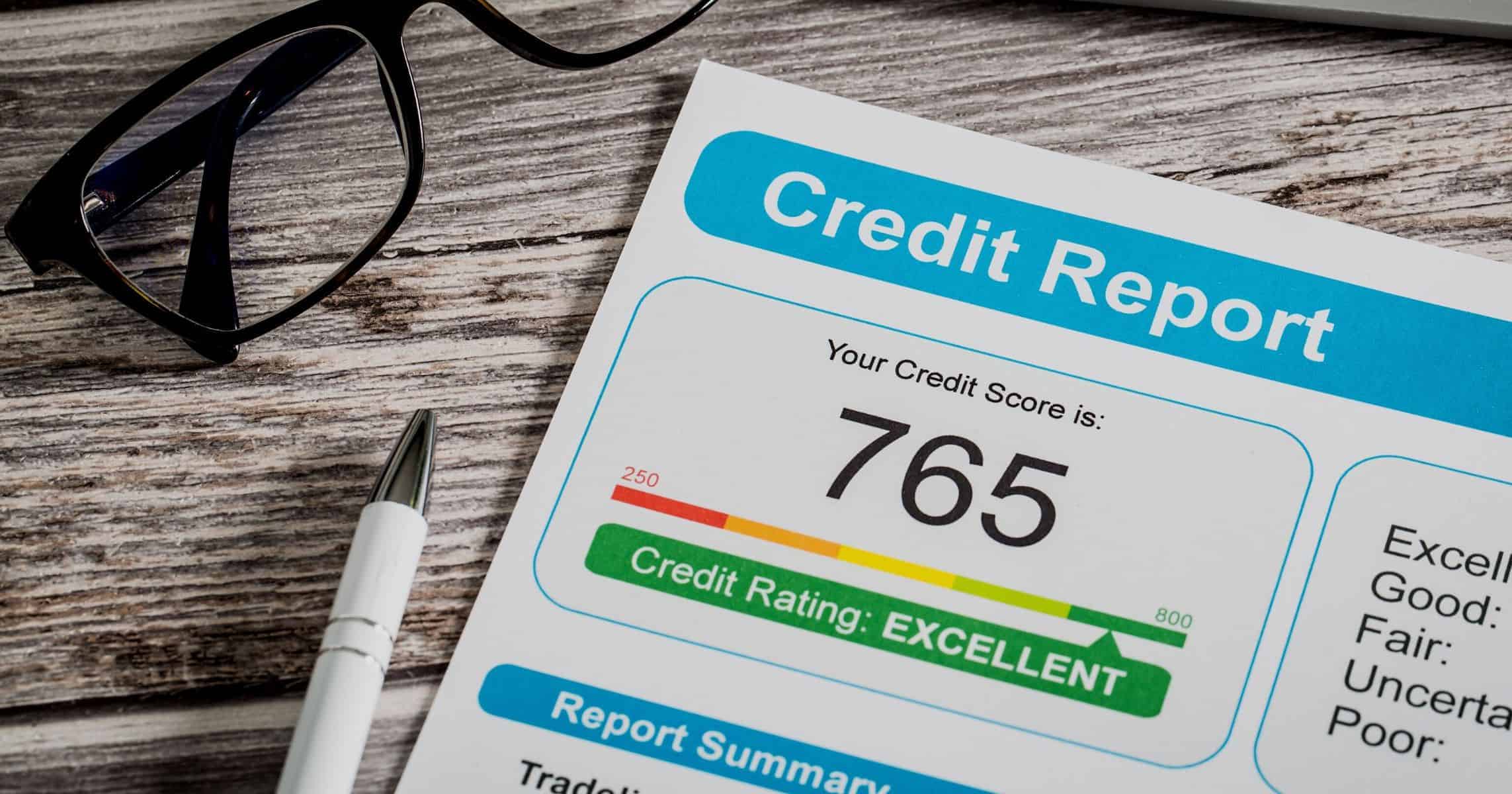
When you first open your credit report from Equifax or TransUnion, the document can look overwhelming. Pages of codes, numbers, and abbreviations stare back at you. But here’s the good news: every Canadian credit report follows the same basic structure. Once you understand the four main sections, you’ll be able to read any credit report confidently.
Think of your credit report as a financial biography that lenders use to decide whether to trust you with their money. The Financial Consumer Agency of Canada recommends checking your report at least once a year — but understanding what you’re looking at matters just as much as obtaining it.
Section 1: Personal Information
The first section contains your identifying details: full legal name, current and previous addresses, date of birth, Social Insurance Number (partially masked), phone numbers, and current and past employers. This section doesn’t directly affect your credit score, but accuracy matters enormously.
Why? Because errors here can indicate identity theft or mixed files (where someone else’s information accidentally appears on your report). If you see an address you’ve never lived at, an employer you’ve never worked for, or a name variation you don’t recognize, that’s a red flag requiring immediate investigation.
Section 2: Credit Accounts (Trade Lines)
This is the heart of your credit report. Every credit card, line of credit, mortgage, car loan, student loan, and retail financing account you’ve ever had appears here. For each account, you’ll see:
- Creditor name: The bank or lender (TD, RBC, BMO, Scotiabank, CIBC, etc.)
- Account type: Revolving (credit cards) or installment (loans)
- Date opened: When you first got the account
- Credit limit or original loan amount: Your maximum borrowing capacity
- Current balance: What you owe right now
- Payment history: A month-by-month record using rating codes
- Account status: Open, closed, or in collections
The payment history uses a coding system that looks cryptic at first. You’ll see codes like “R1” or “I1” — the letter indicates the account type (R for revolving, I for installment), and the number indicates your payment status, from 1 (paid as agreed) to 9 (bad debt/collections).
Section 3: Credit Inquiries
Every time a lender checks your credit, it gets recorded here. There are two types:
Hard inquiries happen when you apply for new credit — a mortgage, credit card, car loan, or even a cell phone contract. These can temporarily lower your score by a few points and stay on your report for three years.
Soft inquiries occur when you check your own credit, when a lender pre-approves you for an offer, or when an employer runs a background check. These don’t affect your score at all and are often only visible to you.
Section 4: Public Records and Collections
This final section contains serious negative information: bankruptcies, consumer proposals, judgments, and accounts sent to collections. A bankruptcy stays on your Equifax report for 6–7 years after discharge (14 years for a second bankruptcy). Collections accounts typically remain for six years from the date of last activity.
If you’re working on broader financial planning, understanding this section is crucial — these items have the most severe impact on your creditworthiness and your ability to qualify for mortgages or other major financing.
What Do Credit Report Codes Mean in Canada?
Those mysterious letter-number combinations on your credit report actually tell a clear story once you crack the code. Canadian credit bureaus use a standardized rating system that every lender understands. Here’s your decoder ring.
Account Type Letters
The first letter identifies what kind of credit account you’re looking at:
- R (Revolving): Credit cards, lines of credit, store cards — any account where you can borrow, repay, and borrow again up to a limit
- I (Installment): Loans with fixed payments over a set term — car loans, personal loans, student loans
- O (Open): Accounts that must be paid in full each billing cycle, like some charge cards
- M (Mortgage): Home loans (though these don’t always appear on consumer credit reports)
Payment Status Numbers
The number following the letter tells lenders how reliably you pay:
| Code | Meaning | Impact on Credit |
|---|---|---|
| 1 | Paid as agreed (on time) | Positive — this is what you want |
| 2 | 30+ days late | Minor negative |
| 3 | 60+ days late | Moderate negative |
| 4 | 90+ days late | Significant negative |
| 5 | 120+ days late | Serious negative |
| 7 | Making regular payments under consolidation/credit counselling | Negative but shows effort |
| 8 | Repossession | Severe negative |
| 9 | Bad debt/placed for collection/bankruptcy | Most severe negative |
So if you see “R1” beside your credit card account, that’s perfect — revolving credit, paid as agreed. “I3” on a car loan means installment account, 60+ days late at some point. Understanding these codes helps you identify exactly which accounts need attention.
Equifax vs TransUnion Canada: What Affects Credit Report Accuracy?
Canada has two major credit bureaus: Equifax and TransUnion. While they collect similar information, your reports from each may not be identical. Here’s what you need to know about both.
| Feature | Equifax Canada | TransUnion Canada |
|---|---|---|
| Free report access | Online, mail, phone, in-person | Online, mail, phone, in-person |
| Free score included | No (report only free; score costs extra) | No (report only free; score costs extra) |
| Online account setup | Required for digital access | Required for digital access |
| Report delivery (mail) | 5–10 business days | 5–10 business days |
| Score range | 300–900 | 300–900 |
| Dispute process | Online portal or mail | Online portal or mail |
Why Reports Differ Between Bureaus
Not every lender reports to both bureaus. Some creditors report only to Equifax, others only to TransUnion, and many report to both. This means your Equifax report might show accounts that don’t appear on TransUnion, and vice versa.
Additionally, the timing of updates varies. One bureau might receive updated information from a lender a few days before the other. For this reason, the Canada Mortgage and Housing Corporation (CMHC) recommends checking both reports when preparing for a major purchase like a home.
Which Bureau Do Lenders Use?
Different lenders have different preferences. Major banks like TD, RBC, BMO, Scotiabank, and CIBC typically check both bureaus, though they may weight one more heavily. Mortgage lenders almost always check both. Credit card issuers and auto lenders may check only one.
Since you can’t know which bureau a specific lender will use, monitoring both gives you the complete picture. If you’re planning a major application — whether for a mortgage, car loan, or another significant financial move — check both reports at least 30 days beforehand.
How to Get Your Credit Report Canada Free in 2026
Both Equifax and TransUnion are legally required to provide your credit report for free. Here’s exactly how to access yours through each method.
Step 1: Choose Your Access Method
Online (fastest): Create an account on Equifax.ca or TransUnion.ca. You’ll need to verify your identity by answering security questions based on your credit history. Once verified, you can view your report immediately.
By mail: Download and complete the request form from each bureau’s website. You’ll need to include two pieces of government-issued ID (photocopies only — never send originals). Mail to the address specified. Expect your report in 5–10 business days.
By phone: Call Equifax at 1-800-465-7166 or TransUnion at 1-800-663-9980. Follow the automated prompts to request a mailed copy. You’ll need to verify your identity verbally.
In person: Both bureaus have offices where you can request your report directly. Bring two pieces of ID. This option is available in major cities.
Step 2: Verify Your Identity
Credit bureaus take identity verification seriously — and they should, since your credit report contains sensitive financial information. Be prepared to provide your full legal name, current and previous addresses, date of birth, Social Insurance Number, and phone number.
Online verification typically involves answering questions about your credit accounts (e.g., “Which of these lenders holds your car loan?”). If you can’t pass online verification — common if you’re new to credit or recently moved — you’ll need to use mail or phone instead.
Step 3: Review Every Section Carefully
Don’t just skim. Go through each section methodically:
- Verify all personal information is accurate and belongs to you
- Check every credit account — do you recognize them all?
- Look at payment histories — are the codes accurate?
- Review inquiries — did you authorize all hard inquiries?
- Examine public records — is anything listed that shouldn’t be?
Take notes on anything that looks wrong. You’ll need specific details when filing disputes.
What Affects Credit Report Scores: The Five Factors
Understanding how to read credit report Canada documents is only half the equation. You also need to know what actually influences the score that lenders see. While exact scoring formulas are proprietary, both Equifax and TransUnion weight these five factors:
1. Payment History (35% of Score)
This is the single most important factor. Every on-time payment helps. Every late payment hurts. A single payment 30+ days late can drop your score by 50–100 points, and the impact lingers for years (though it fades over time).
The recency matters too. A missed payment from five years ago hurts less than one from five months ago. If you have past late payments, the best strategy is simply time — keep paying on time, and the old negatives gradually matter less.
2. Credit Utilization (30% of Score)
This measures how much of your available credit you’re actually using. If you have a credit card with a $10,000 limit and a $7,000 balance, your utilization on that card is 70% — which is considered high.
Most experts recommend keeping utilization below 30%, and below 10% is even better. This applies both to individual cards and your total credit utilization across all accounts. High utilization signals to lenders that you might be financially stretched.
3. Credit History Length (15% of Score)
Lenders like seeing a long track record. The age of your oldest account, the age of your newest account, and the average age of all accounts all matter. This is why financial advisors often recommend keeping old credit cards open even if you don’t use them — closing them shortens your average account age.
4. Credit Mix (10% of Score)
Having different types of credit — credit cards, a car loan, a line of credit — shows you can manage various financial products responsibly. However, don’t open accounts just to improve your mix. This factor has relatively low weight, and new accounts temporarily lower your score anyway.
5. New Credit Inquiries (10% of Score)
Each hard inquiry can lower your score by a few points. Multiple inquiries in a short period suggest you might be desperately seeking credit — a red flag for lenders. However, credit scoring models recognize rate shopping: multiple mortgage or auto loan inquiries within a short window (typically 14 days, though this can extend up to 45 days depending on the specific scoring model) generally count as a single inquiry.
Common Credit Report Errors and How to Spot Them
Errors on credit reports are surprisingly common. Knowing what to look for can save you from being denied credit or paying higher interest rates unfairly.
Identity Errors
Watch for:
- Wrong name, including misspellings or variations you’ve never used
- Incorrect address, especially one you’ve never lived at
- Wrong date of birth
- Accounts belonging to someone with a similar name (mixed file)
- Accounts resulting from identity theft
Account Errors
Common problems include:
- Accounts listed as open that you closed
- Incorrect credit limits (often reported lower than actual)
- Wrong payment status codes
- Late payments reported incorrectly
- Same debt listed multiple times (often happens with collections)
- Accounts you never opened
Balance and Status Errors
Look for:
- Outdated balances (especially problematic if showing high utilization)
- Accounts incorrectly reported as delinquent or in collections
- Paid-off accounts still showing balances
- Settled accounts incorrectly reported
These errors matter because they directly affect your score and how lenders perceive you. If you’re managing financial stress, discovering inaccurate negative information makes an already difficult situation worse.
Key Takeaways
- Your credit report has four sections: personal information, credit accounts, inquiries, and public records — check each carefully at least once per year
- Payment history accounts for 35% of your credit score; even one late payment can drop your score by 50–100 points
- Keep credit utilization below 30% of your total available credit (below 10% is optimal for the highest scores)
- Checking your own credit report is a “soft inquiry” and never hurts your score — do it regularly
- Equifax and TransUnion may show different information since not all lenders report to both bureaus; check both reports before major applications
- Errors are common on credit reports — dispute inaccuracies immediately using the bureau’s online portal or by mail
Frequently Asked Questions
How do I get my free credit report in Canada from Equifax and TransUnion?
You can get your free credit report from both bureaus online through their websites (Equifax.ca and TransUnion.ca), by mail, by phone, or in person at their offices. Online is fastest — create an account, verify your identity through security questions, and view your report immediately. For mail requests, download the request form from each bureau’s website and include two pieces of government-issued ID. Phone requests go to Equifax at 1-800-465-7166 or TransUnion at 1-800-663-9980.
Does checking my own credit report hurt my score in Canada?
No, checking your own credit report never hurts your score. When you request your own report, it’s recorded as a “soft inquiry,” which is only visible to you and has zero impact on your credit score. Only “hard inquiries” — when you apply for new credit and a lender checks your report — can temporarily lower your score. You can check your own credit as often as you like without any negative consequences, and doing so is a smart financial habit.
What should I do if I find an error on my Canadian credit report?
Dispute the error directly with the credit bureau that’s reporting it — Equifax, TransUnion, or both if the error appears on both reports. Use their online dispute portal for fastest processing, or submit a written dispute by mail with copies of supporting documentation. The bureau must investigate within 30 days and either correct the error or explain why they believe the information is accurate. If the bureau doesn’t resolve your dispute satisfactorily, you can escalate your complaint to the Financial Consumer Agency of Canada.
Understanding how to read credit report Canada documents puts you in control of your financial reputation. By checking your reports regularly, understanding what each section means, and disputing errors promptly, you protect yourself from unfair lending decisions and position yourself for better interest rates on mortgages, car loans, and credit cards. Your credit report is your financial story — make sure it’s telling the truth. For more strategies to strengthen your overall financial health, explore our other guides here on Getwealthy.
Get free Canadian money tips every week
TFSA updates, CRA changes, mortgage strategies — straight to your inbox every Thursday. No spam, unsubscribe anytime.
Certified Financial Planner (CFP) and Chartered Investment Manager (CIM) with over 17 years of experience in Canadian personal finance. Spent 10+ years at one of Canada's Big Five banks, the last 7 focused exclusively on high-net-worth clients. Every guide is written with the same depth I bring to real client work — Canada-specific, CRA-verified, and always free.
Disclaimer: This article is for informational and educational purposes only and does not constitute financial, tax, or legal advice. Always consult a qualified financial advisor or tax professional for personalized advice.